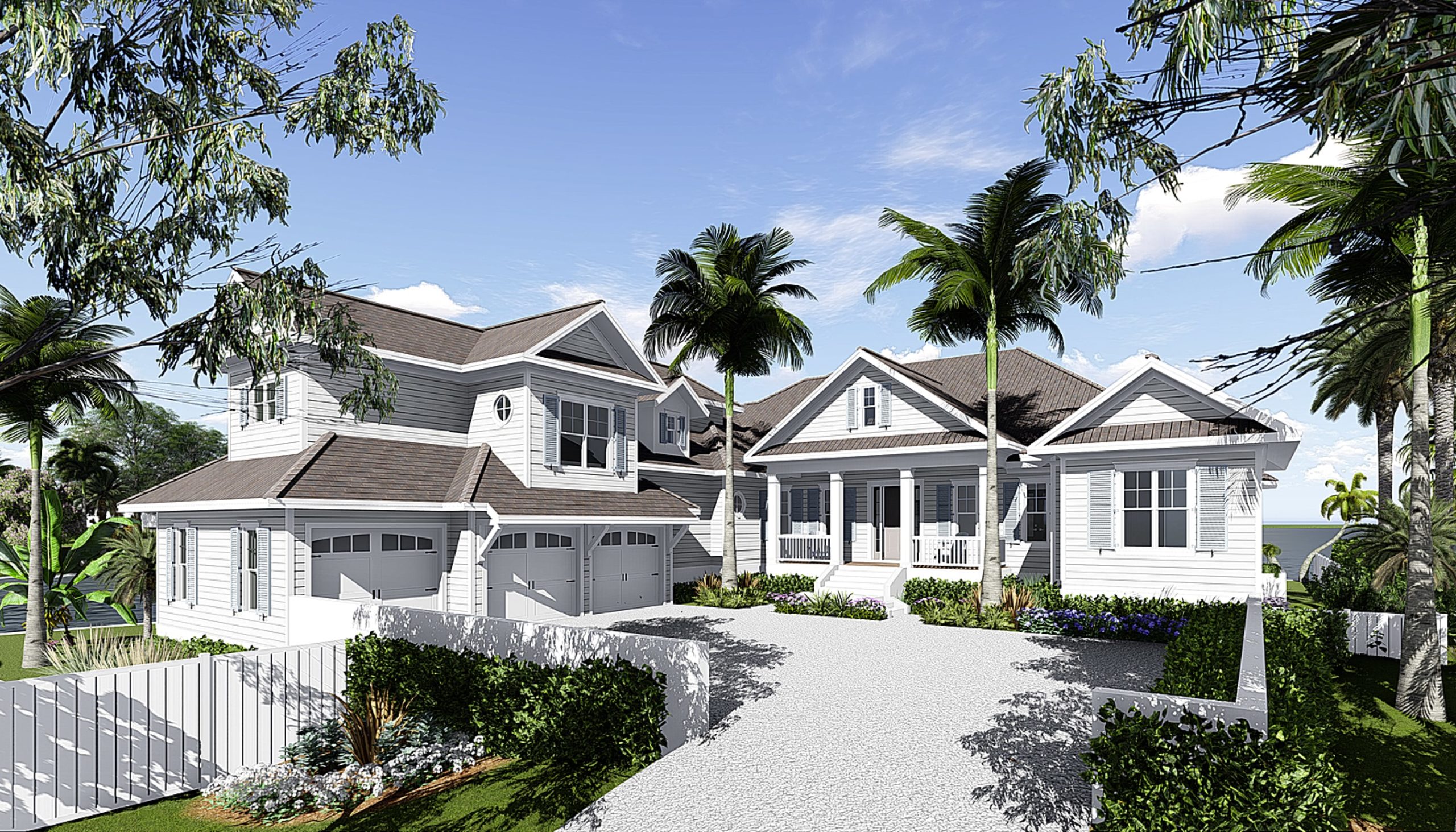
A Style Rooted in Clarity, Proportion, and Purpose
Defined by clean lines, open plans, and a deep respect for structure, modern home designs grew out of early 20th-century movements that rejected ornament in favor of function and form. The movement paved the way for homes that are simple in shape, restrained in detail, and effective in how they use space.
Unlike contemporary design, which evolves with current trends, modern design follows a fixed set of principles. It’s less about what’s popular now, and more about what’s essential always.
In Florida, these principles translate naturally. A well-designed modern home opens to the landscape without excess, manages heat and light efficiently, and maintains a bold presence.
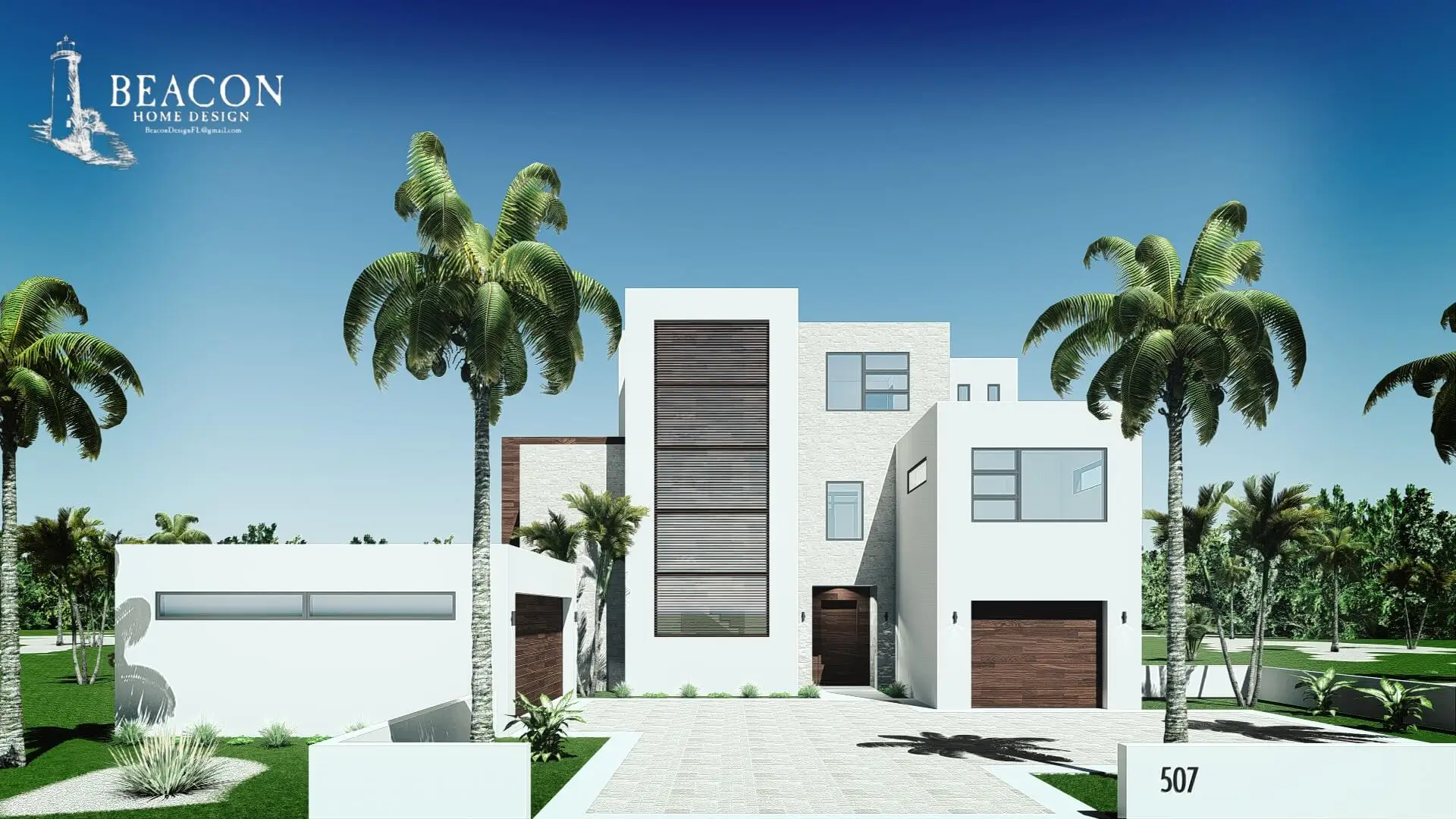
What Is Modern Home Design?
Modern home design is rooted in early 20th-century architectural movements that prioritized structure and efficiency. Influenced by Bauhaus, International Style, and mid-century modernism, the approach was a response to excess, stripping away ornament to focus on space, material, and light.
In a modern home, form follows function. Materials are left exposed, not dressed up. Details are minimized, but not erased. The beauty comes from how everything fits together with clean lines, sharp geometry, and deliberate restraint.
Modern design is often confused with contemporary, but they are not the same. Contemporary evolves with current preferences. Modern is fixed. It reflects a specific design philosophy — one that values timeless clarity over trend.
And while the aesthetic is often described as minimal, it’s not empty. It’s just carefully composed. Done well, modern design feels resolved, like nothing is missing and nothing is extra.
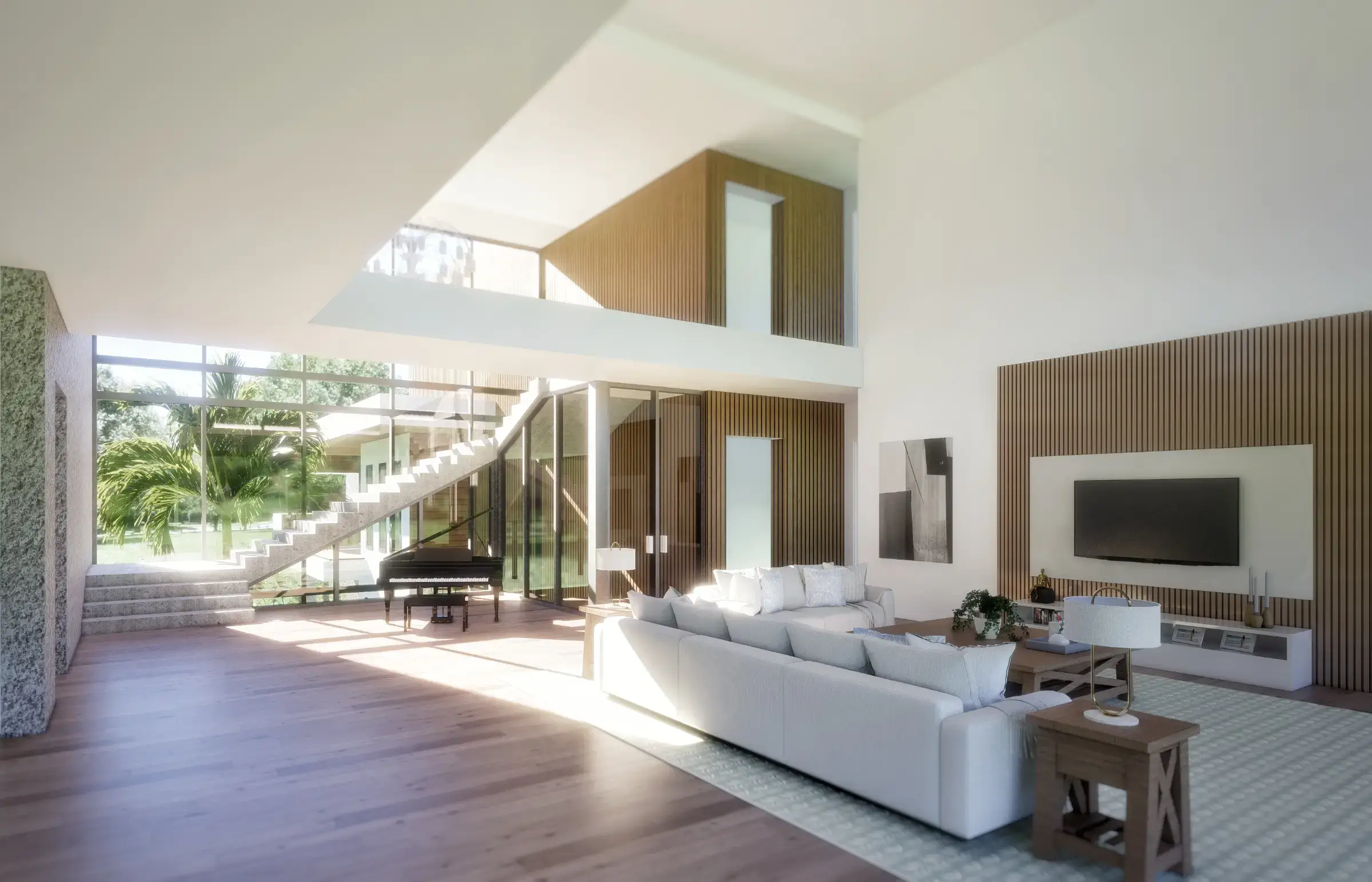
Materials & Finishes
Modern homes express structure through material. The focus is on composition: how each element meets the next, and how light moves across the whole.
Common materials and finishes include:
- Exposed concrete, often cast-in-place or smooth-finished, used for walls, floors, or structural elements.
- Steel and glass, both celebrated for strength and minimal visual weight.
- Natural wood, typically in warm tones, used to soften contrast and add texture.
- Flat-panel cabinetry and slab countertops, with clean lines and zero ornament.
- Matte or honed finishes, favored for their quiet surface quality and light absorption.
- Minimal trim, flush baseboards, and concealed hardware — all supporting the clarity of the whole.
Architectural Characteristics of Modern Homes
Modern homes rely on proportion and structure, where every element serves a purpose and every line leads somewhere intentional. The architecture feels carefully composed and inherently functional.
Defining characteristics include:
- Flat or low-slope roofs that emphasize horizontal lines and create clean overhangs for shade and protection.
- Rectilinear massing, often composed of simple, stacked volumes.
- Open floor plans with minimal walls to maximize space, flow, and light.
- Floor-to-ceiling glass that connects the interior to the landscape without visual clutter.
- Asymmetry used with balance, often through proportion and negative space.
- Exposed structure — steel, concrete, or engineered wood — treated as design, not background.
- Minimal detailing, with flush transitions, recessed hardware, and integrated systems.
Color Palette & Interior Feel
The modern palette is quiet by design. Color supports the architecture, not the other way around. Surfaces are chosen to create continuity, and contrast.
Key characteristics include:
- Neutral base colors like white, black, soft gray, and taupe to create a restrained foundation.
- Natural wood tones that add warmth and tactility — often used in flooring, cabinetry, or ceilings.
- Controlled contrast, such as white walls with dark steel frames or pale concrete paired with warm oak.
- Monochromatic detailing, where fixtures, hardware, and built-ins blend seamlessly into their surroundings.
- Light used as texture, casting subtle shadow, reflection, or glow across clean surfaces.
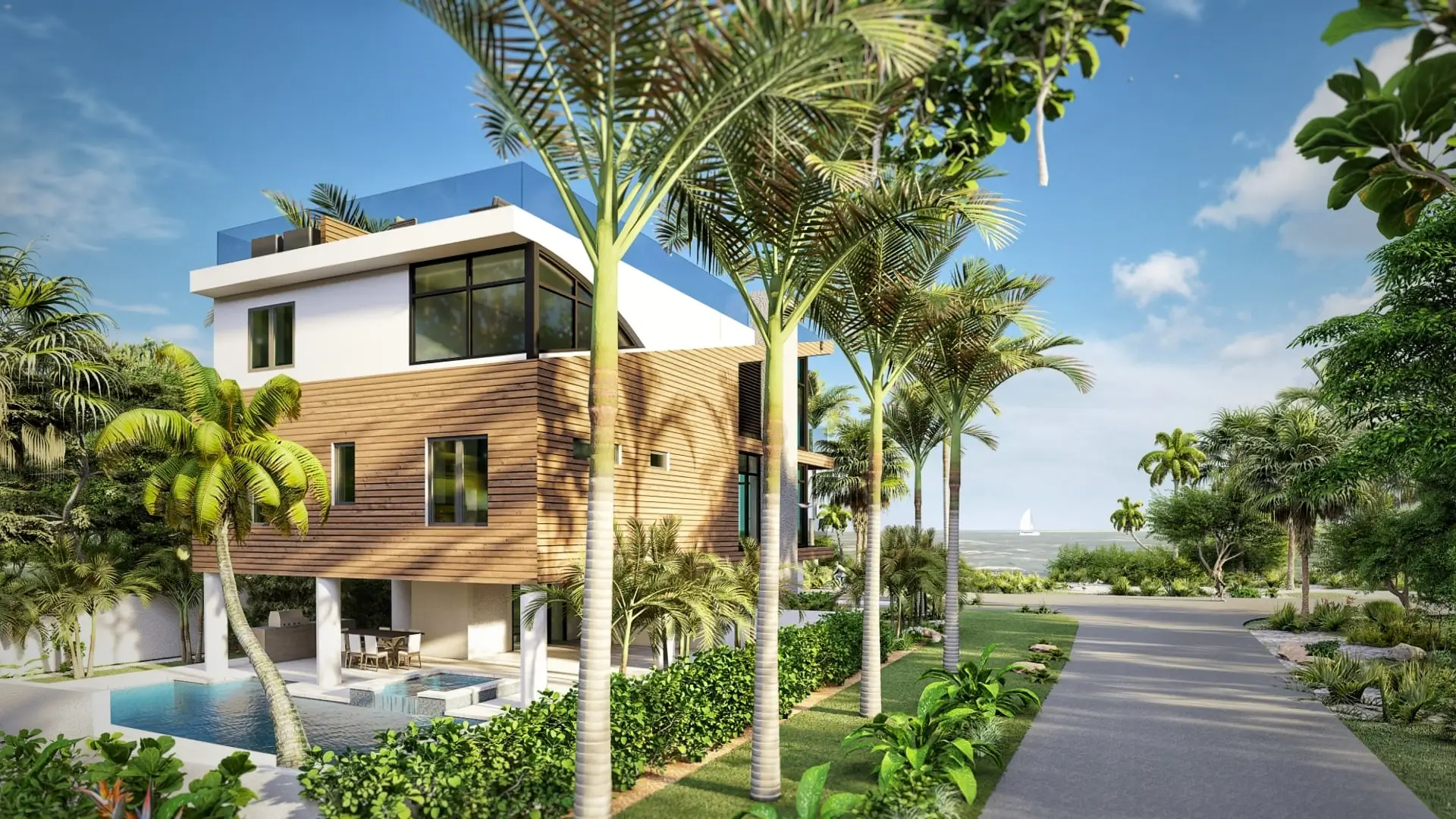
Indoor–Outdoor Living in Modern Design
Modern homes are built around openness — not just within their walls, but between the interior and the site itself. Outdoor spaces are treated as architectural extensions.
Defining strategies include:
- Large sliding or pivot doors that disappear into walls, eliminating the boundary between interior and exterior.
- Aligned floor and ceiling planes that let spaces extend outward without a visual break.
- Materials that carry through, such as concrete, wood, or tile used both inside and out.
- Integrated hardscaping — patios, decks, pools, and gardens designed as part of the floor plan.
- View framing, where windows and walls direct the eye to key landscape elements.
- Shading strategies built into the form — cantilevers, screens, or deep overhangs that regulate sun and shelter outdoor areas.
Climate-Responsive Design in Florida
Modern homes adapt well to Florida’s climate. Their simplicity and structural clarity allow for high performance without visual compromise.
Key components include:
- Deep roof overhangs and cantilevers, which provide shade, reduce solar gain, and protect glazing.
- High-performance glazing, carefully placed to balance natural light with thermal control.
- Elevated floor systems or slab-on-grade with proper drainage to address flooding and groundwater.
- Durable exterior materials like concrete, aluminum, fiber cement, and sealed wood — chosen for resistance to salt, humidity, and heat.
- Ventilation planning, with operable windows, clerestory openings, and orientation-based airflow.
- Minimalist rooflines and detailing, which reduce maintenance points in high-wind or storm-prone regions.
Why Homeowners Choose Modern Style
Modern homes attract those who value spaces designed with intentionality without compromising striking elegance.
Homeowners choose modern because it offers visual calm and architectural honesty. Plans aren’t crowded — they’re open and functional. It’s a style that creates room to breathe, and the freedom to live without clutter or noise.
For many, modernism feels timeless because it’s not trying to recall the past or chase the present. It’s focused, resolved, and remarkably adaptable whether your home sits on an expansive by the water, on a narrow urban lot.
Types of Modern Styles
Modern architecture may follow a fixed set of principles, but how those principles take shape can vary widely. These are some of the most common interpretations we design in Florida:
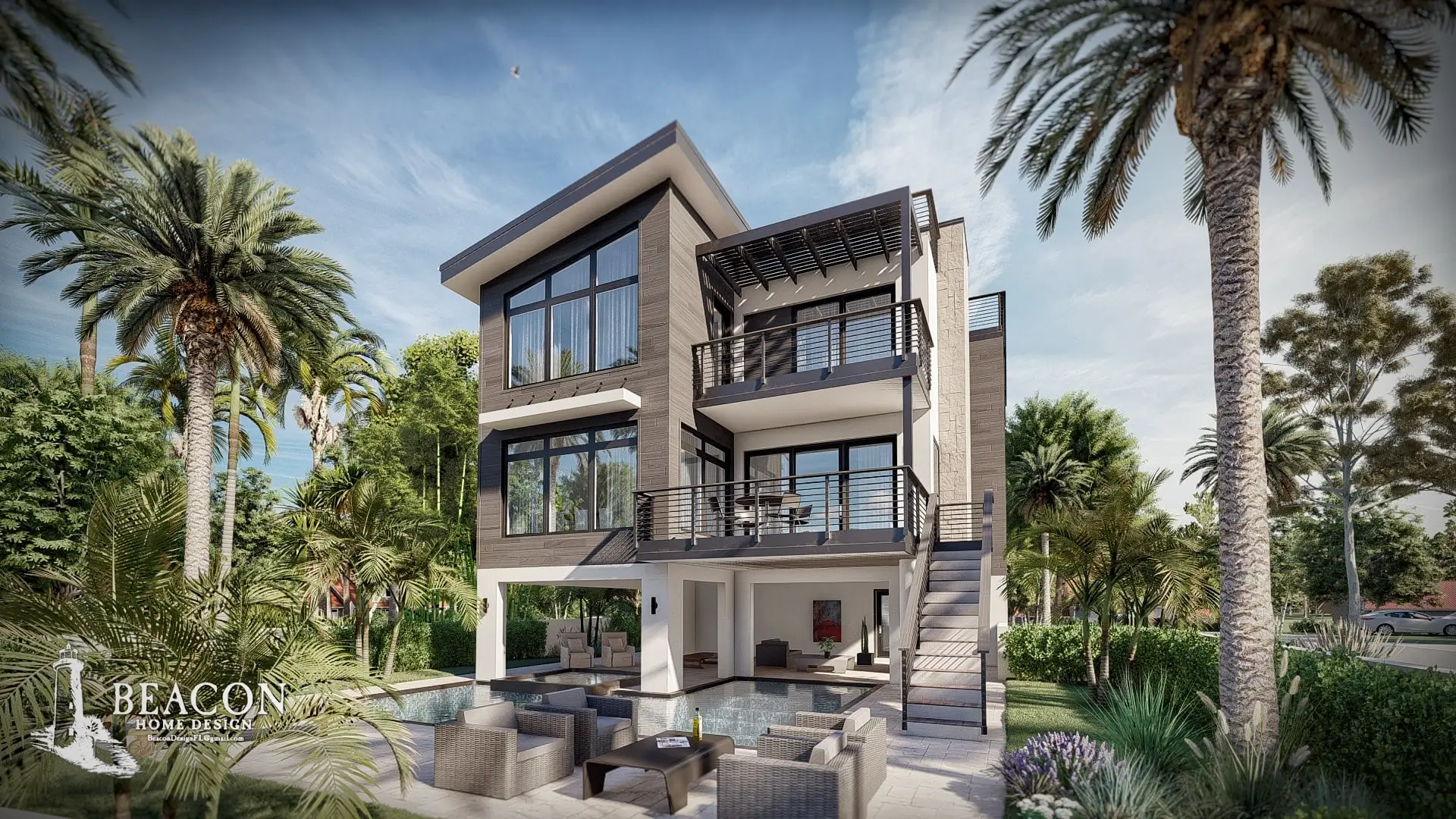
Beachy Modern
Beachy Modern blends clean lines with softened edges, pale finishes, and a focus on indoor–outdoor flow. Expect breezy floor plans, lightly textured materials, and a calm, tonal palette. Glass walls open to the ocean. Overhangs cast soft shade. It’s modernism without formality.
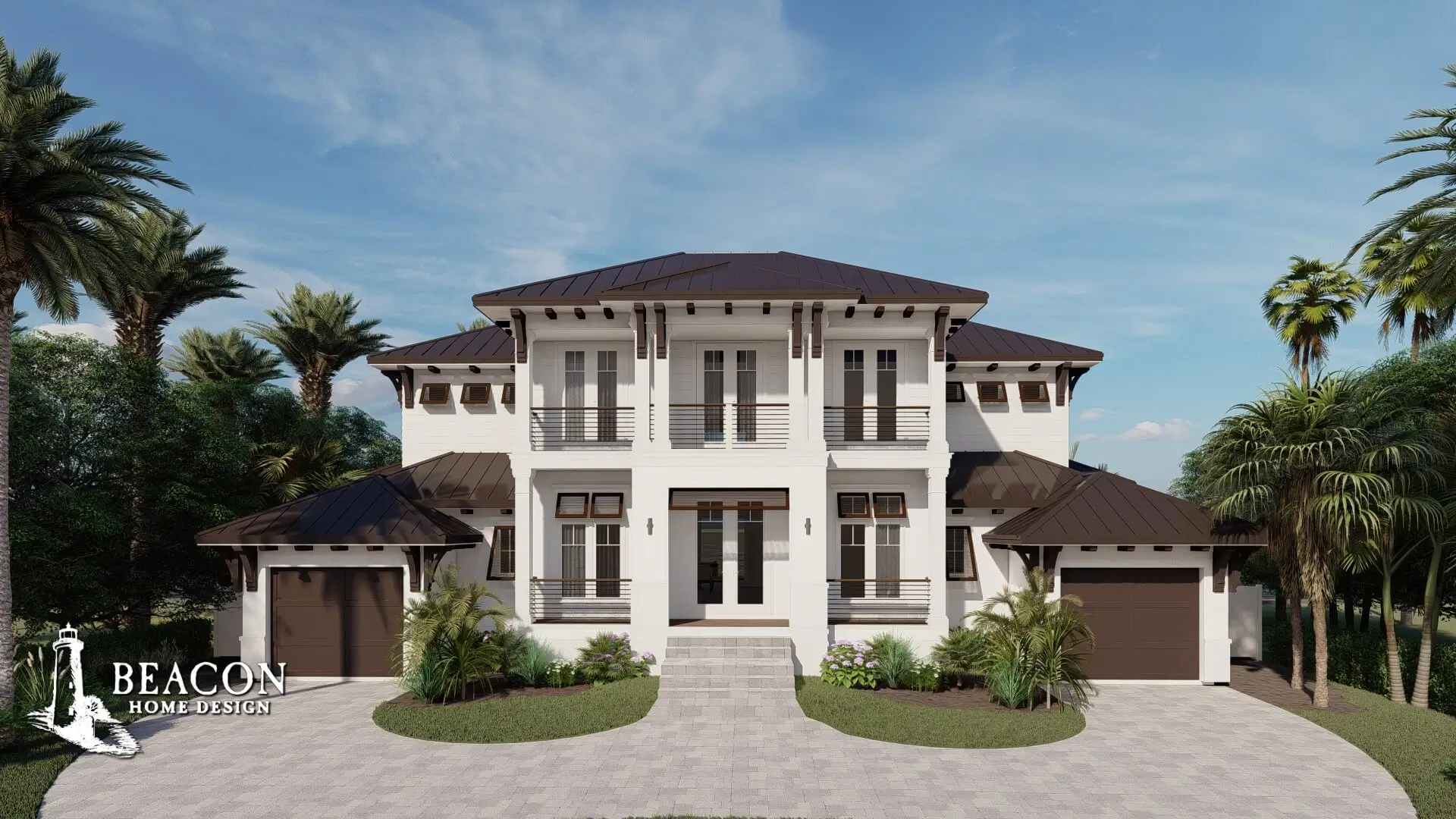
Modern Indies
A hybrid of modern structure and West Indies character. These homes use traditional Caribbean elements like deep roof overhangs, operable shutters, and breezy verandas — all filtered through a modern lens. Detailing is restrained and materials are climate-conscious.
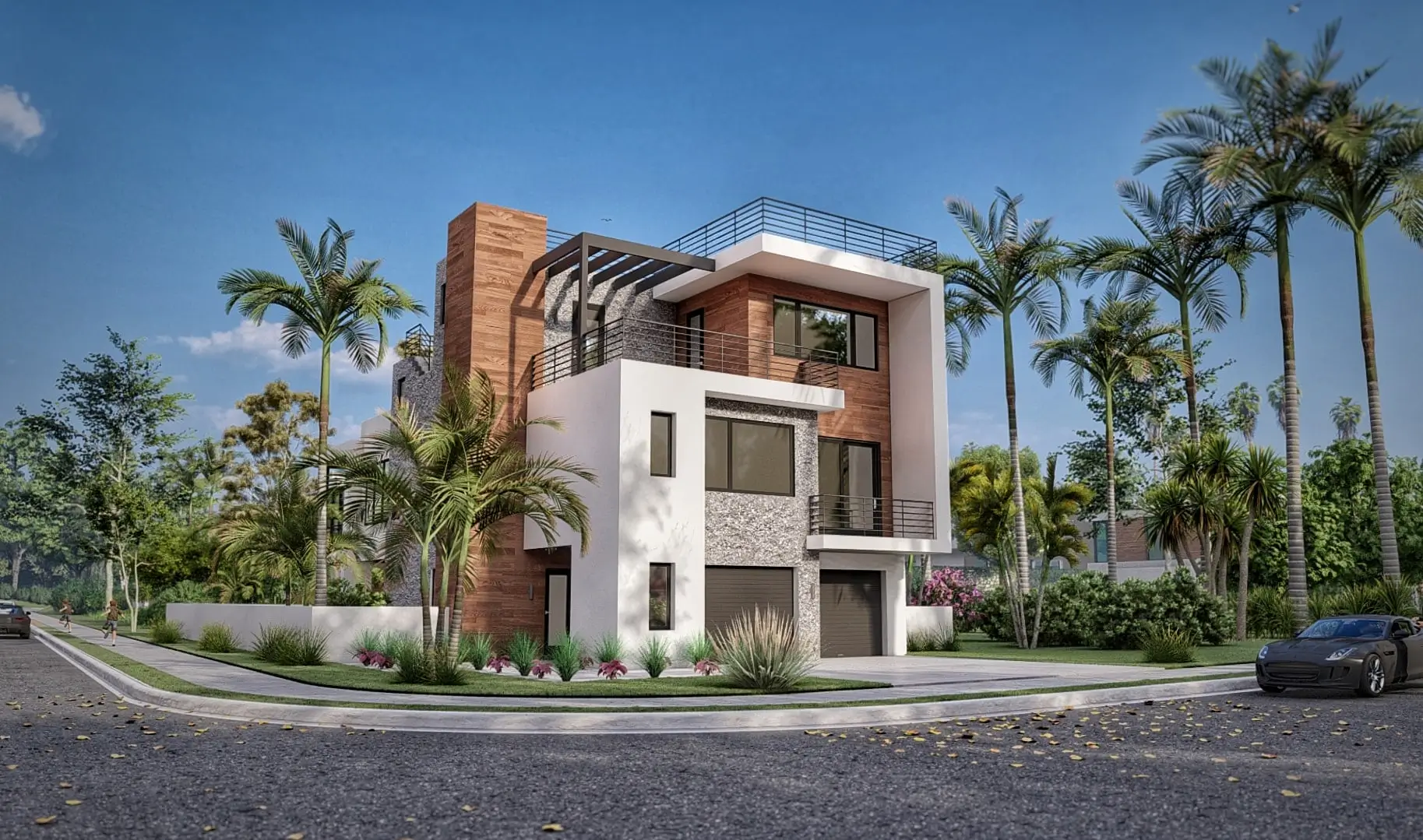
Ultra Modern
Bold and architectural, Ultra Modern design takes the core tenets of modernism to their sharpest edge. Think sculptural volumes, cantilevered forms, full-height glazing, and high-performance materials. Interiors are minimal and expressive, defined by geometry, light, and clean surfaces. These homes are unapologetically modern and unmistakably custom.
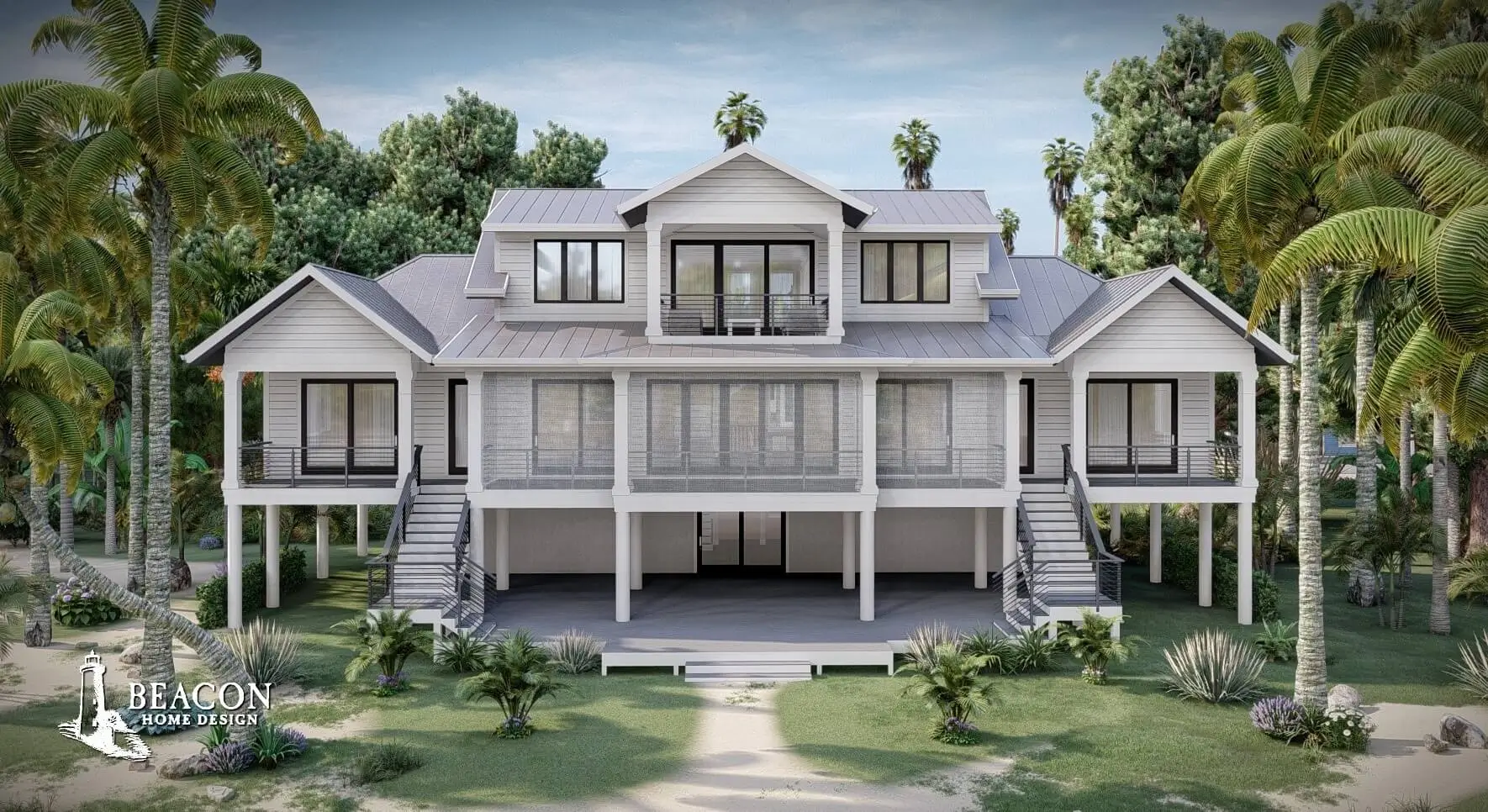
Modern Waterfront
Built for life along the water, this variation emphasizes openness, resilience, and view-driven design. Plans are oriented to the shoreline. Glazing is expansive but protected. Elevated forms manage flood risk while enhancing perspective. Exterior materials are selected for durability in salt and sun, while interiors stay quiet and composed to let the landscape lead.
Designing Your Modern Home with Beacon
We approach modern design with precision. We understand that a clean result requires complex thinking — every proportion calibrated, every detail resolved.
Designing a modern home means working with the site, not against it. We begin with your goals and shape a plan that reflects how you want to live.
Our role is to bring clarity to the process so that when the work is done, your home feels exactly like you.
Frequently Asked Questions
What’s the difference between modern and contemporary homes?
Modern homes follow a specific architectural philosophy rooted in the early to mid-20th century. Contemporary homes reflect current trends and tend to evolve over time. Modern design is fixed in its principles — minimalism, structural clarity, and functional form.
Does modern design feel too cold or minimal?
Not when it’s done well. While modern homes are visually restrained, they can feel warm and welcoming through natural materials, thoughtful lighting, and proportion. The goal is calm, not sterility.
How customizable is modern architecture?
Modern homes are highly flexible as long as changes respect the integrity of the design. Open plans, modular forms, and honest materials make it easy to tailor layouts, finishes, and features to your lifestyle.
Is modern design energy-efficient?
It can be. Many modern strategies like deep overhangs, passive solar design and operable ventilation naturally support efficiency. When paired with modern systems and materials, the result is a home that performs as cleanly as it looks.