A Style That Balances Ease with Elegance
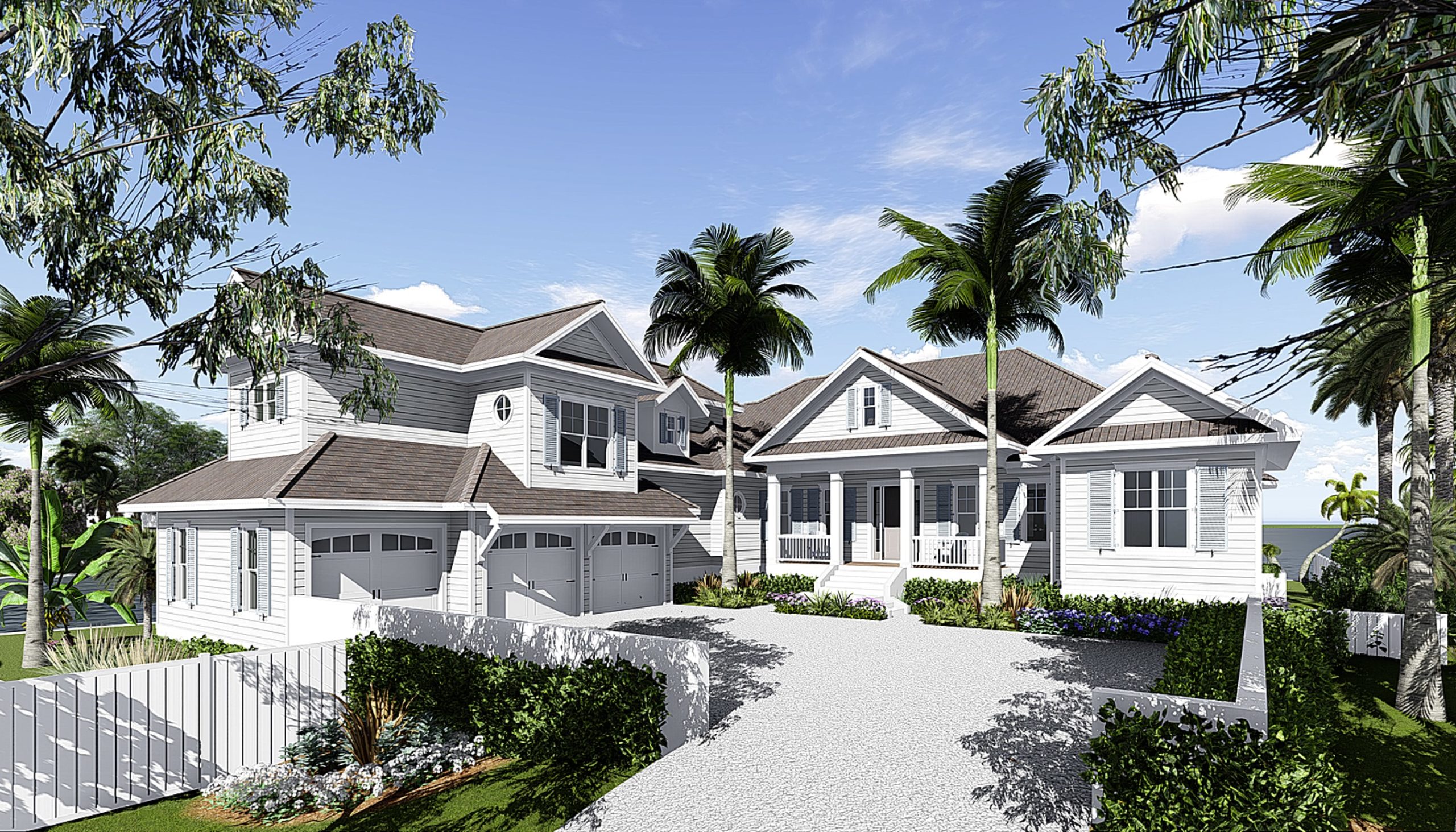
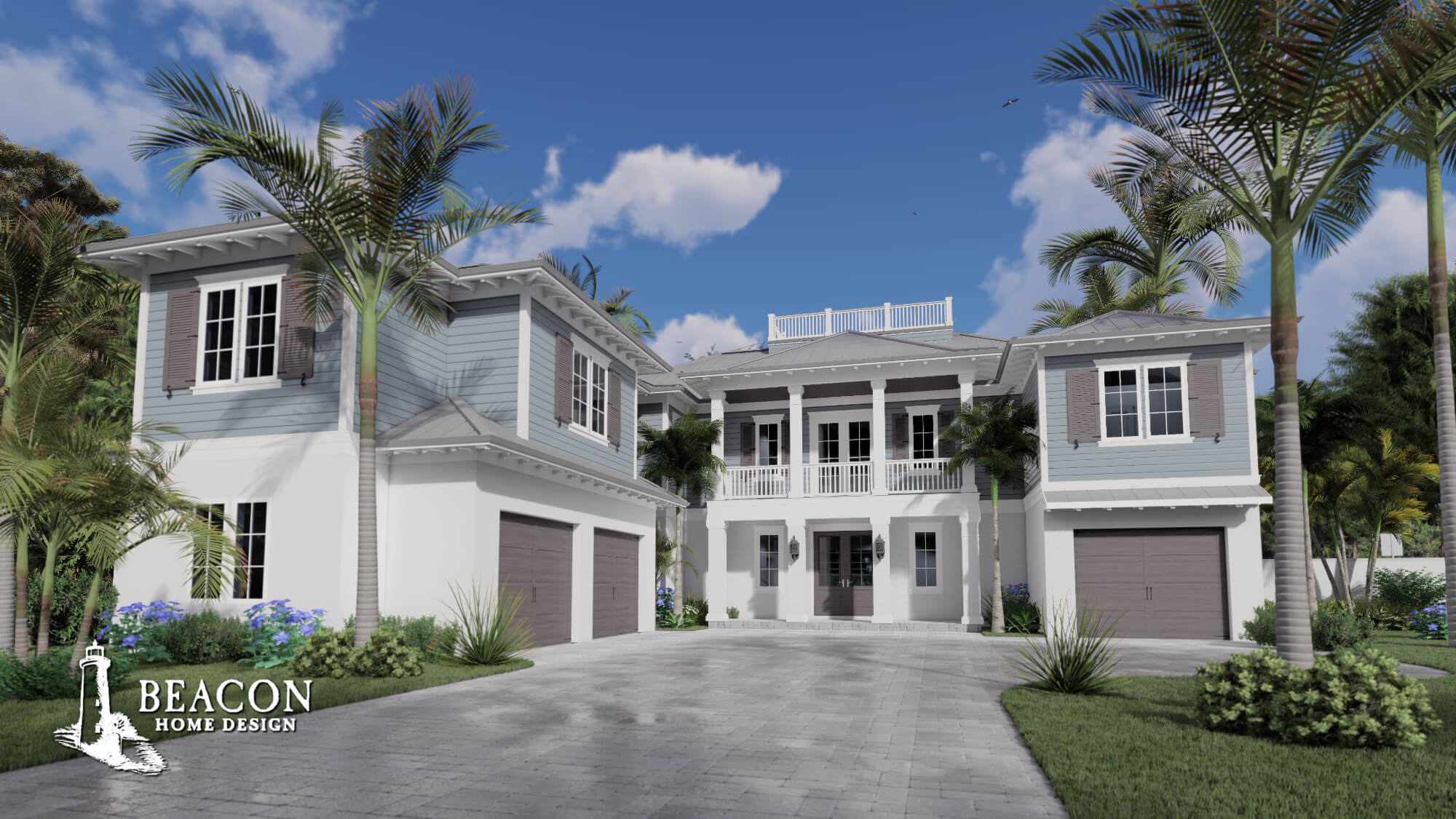
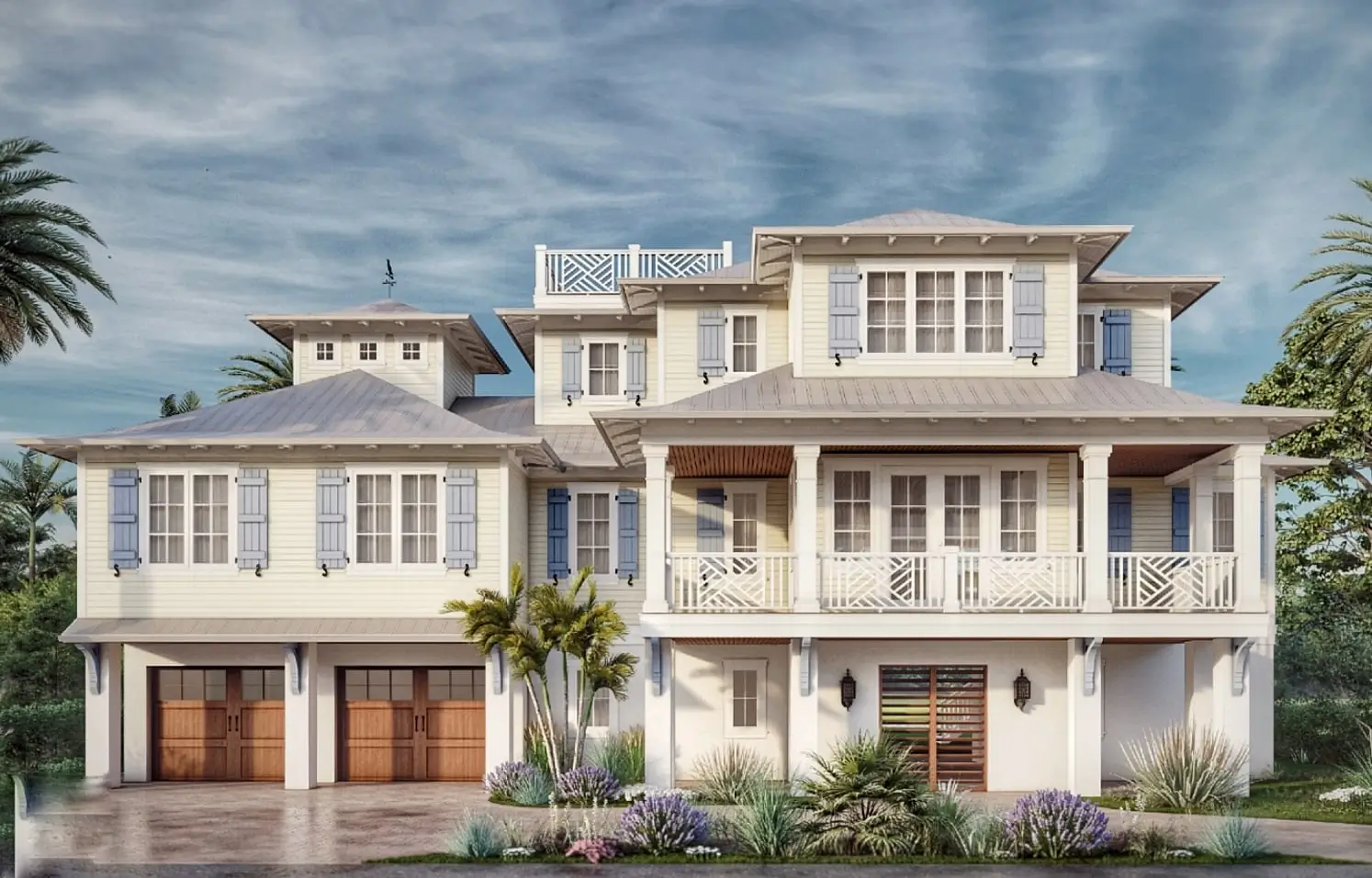
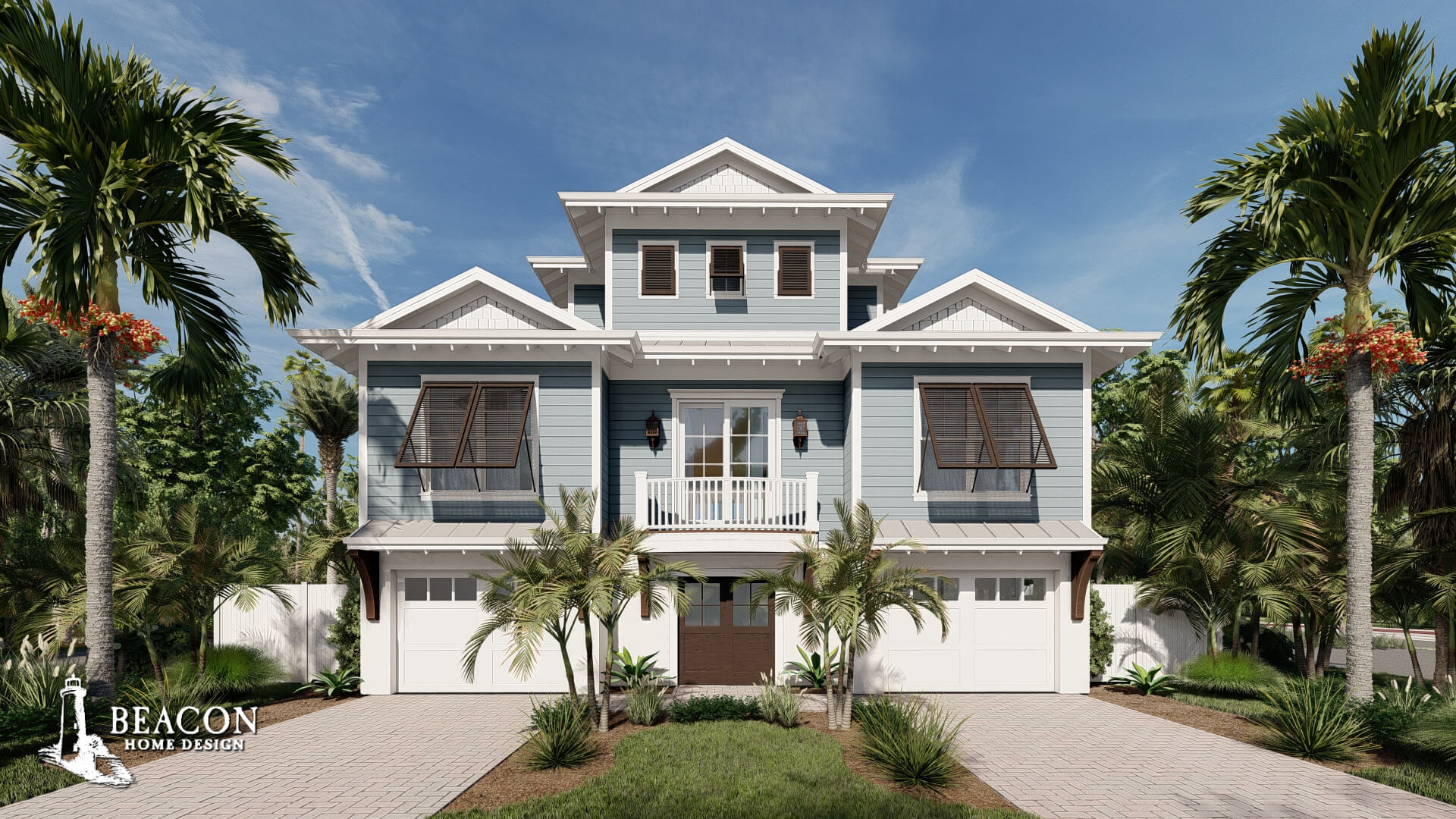
Coastal Indies home design was born from two worlds: the timeless architecture of the Caribbean, and the relaxed sensibility of Florida’s Gulf Coast. It’s influenced by indoor-outdoor compatibility with wide porches, whitewashed walls, and traditional West Indies formality – softened by coastal calm.
Originally developed for tropical island living, it prioritizes airflow, shade, and comfort. In Florida, “Coastal Indies” has evolved into trademark casual layouts and materials chosen for durability against the elements.
At Beacon, we design timeless custom homes that reflect this balance. Coastal Indies isn’t simply a guiding theme. It’s an architectural style built to adapt, to last, and to feel right at home in the light and landscape of Florida.
What Is Coastal Indies Home Design?
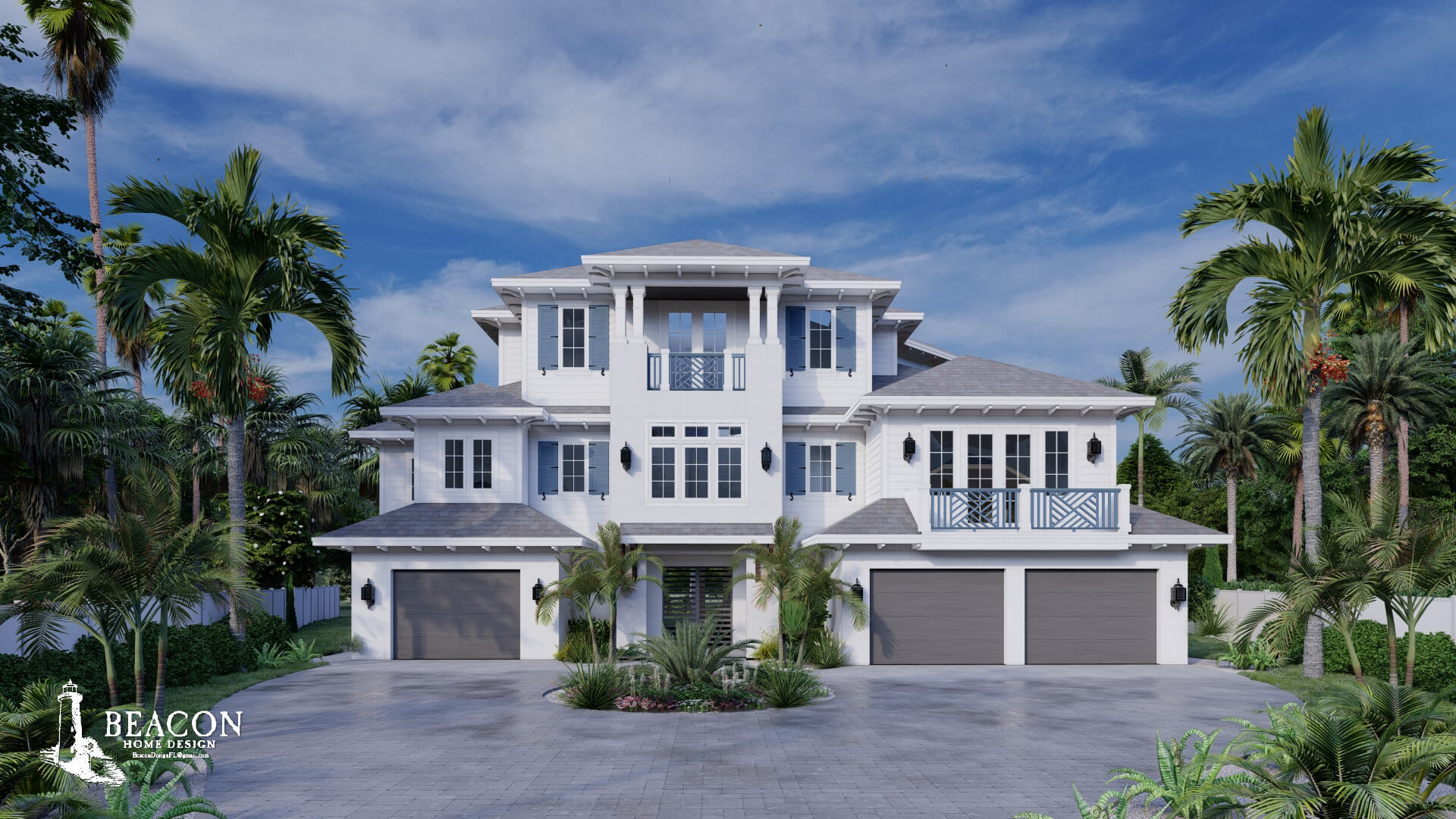
Coastal Indies home design blends the symmetry and structure of classic West Indies architecture with the openness and adaptability of coastal living. It takes cues from Caribbean homes built to withstand heat and storms, then filters them through a modern lens.
As a result, these homes feel airy and open. Roofs are often low-pitched or hipped, extending wide to create deep shaded porches. Shutters and louvers encourage cross-ventilation. Layouts focus on the movement of air, light, and people, not just within the home, but between indoors and out.
What makes it “coastal” is its softness. The edges are lighter. The palette is sunwashed. Proportions are more relaxed. It’s less about formality and more about flow—a home that feels both composed and comfortable.
Materials & Finishes
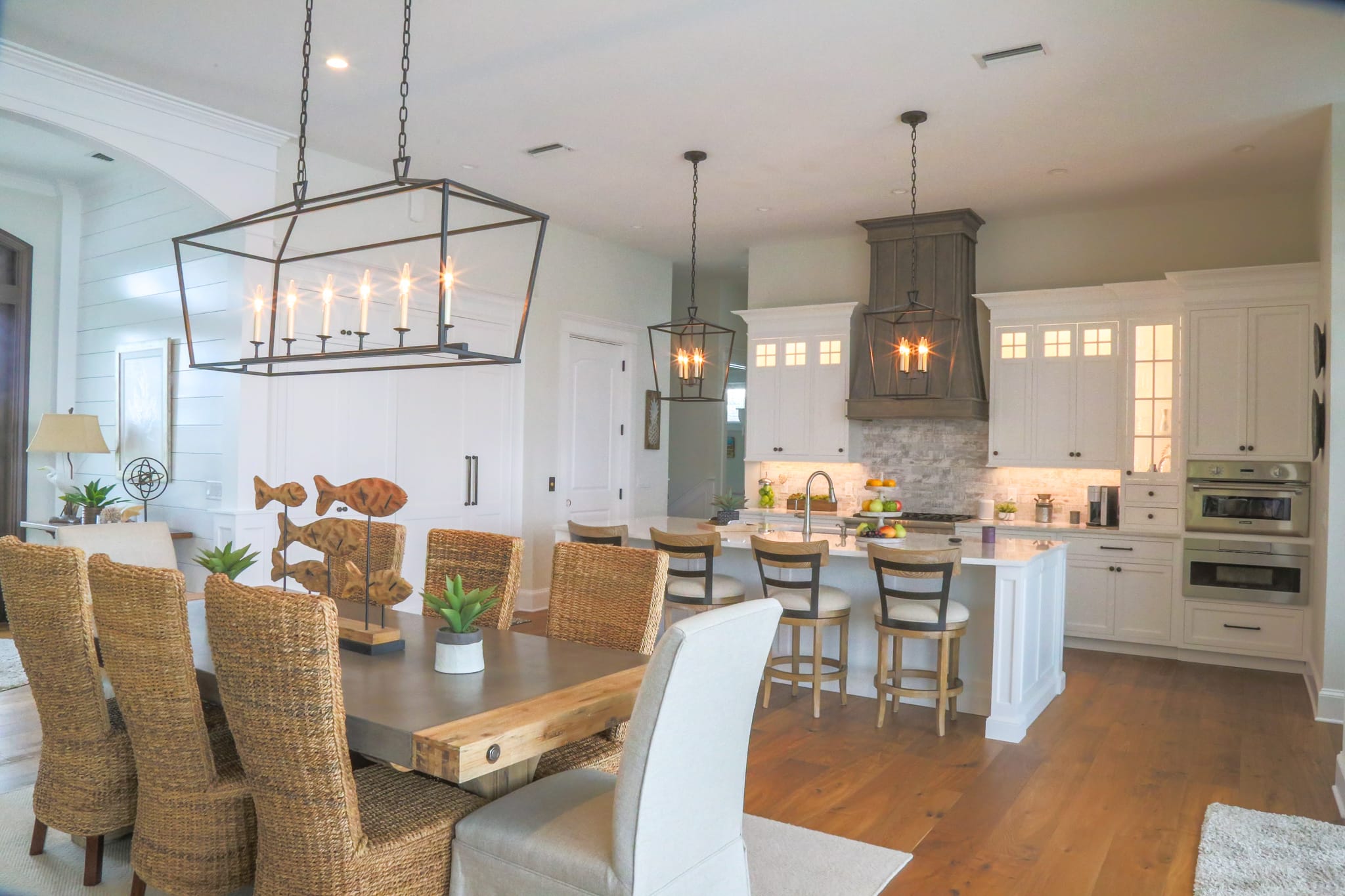
Coastal Indies homes express their character through contrast. Crisp profiles are paired with natural materials, smooth walls are set against weathered wood, and soft finishes are chosen to age gracefully in the Florida sun. Every surface is selected for how it weathers, reflects light, and contributes to the overall design.
Typical materials and finishes include:
- Smooth stucco or painted masonry exteriors in light, breathable tones that reflect heat and create visual calm.
- Metal or composite roofing, often in standing-seam profiles, offering modern performance with a coastal aesthetic.
- Shutters, railings, and columns crafted from painted wood or durable composite, designed to evoke traditional craftsmanship with low maintenance.
- Natural wood accents, such as mahogany doors, cypress ceilings, or ipe decking, that add warmth and subtle tropical contrast.
- Wide-plank hardwood with a soft, matte finish that grounds interiors with natural texture.
- Tongue-and-groove ceilings and wall paneling, often painted white or in soft tones to reinforce a sense of airiness.
- Low-profile trim and casings that provide definition while keeping spaces clean and uncluttered.
Architectural Characteristics of Coastal Indies Homes
Coastal Indies homes are shaped as much by function as by feel. They borrow from the time-tested logic of West Indies architecture, with deep eaves, shaded porches, and centered entries, and combine it with the openness of coastal design.
Key architectural characteristics include:
- Low-pitched or hipped roofs with wide overhangs that protect from sun and rain.
- Centered front entries and balanced façades that are often symmetrical but softened by light, louvered shutters and warm materials.
- Integrated verandas and porches under the primary roofline, positioned to catch breezes and
extend usable space
outdoors. - Tall windows and doors with operable shutters, designed to invite cross-ventilation and frame outdoor views.
- Columns and railings that define exterior rooms without enclosure, creating rhythm and transparency along the façade.
- Floor plans that flow outward from the core of the home to shaded outdoor living areas, prioritizing natural movement and connection.
Color Palette & Interior Feel
The Coastal Indies palette is meant to feel effortless and natural. It draws from the beach and the tropics in a distilled, timeless way. Interiors are light and breathable, relying on organic textures rather than bold color.
Key color and interior elements include:
- Soft whites and warm neutrals for walls and ceilings that reflect natural light without glare.
- Natural wood tones, ranging from pale oak to richer teak, used in flooring, cabinetry, or ceiling treatments to add warmth and contrast.
- Muted coastal hues, such as soft blues, seafoam, and sunwashed taupe, introduced subtly through furnishings or millwork accents.
- Dark window frames or shutters, often in charcoal, bronze, or slate, that provide visual structure.
- Woven materials like cane, rattan, or seagrass, used in lighting, furniture, or detail work to add texture and tonal depth.
- High ceilings and open sightlines that encourage air movement and give interiors a relaxed sense of ease.
Indoor–Outdoor Living in Coastal Indies Design
Coastal Indies homes are designed to be open and breathable, offering comfort in every season. Outdoor living is an integral part of the architecture, built into the design from the very beginning.
Core indoor and outdoor features include:
- Deep verandas or porches, often running the length of the home and integrated under the main roofline to provide continuous shade and shelter.
- Tall French doors or pocket sliders that connect interior rooms directly to outdoor gathering spaces.
- Ceiling and floor finishes that extend across zones, creating a unified sense of volume whether inside or out.
- Shuttered openings and breezy passageways that allow air and light to move through while softening glare and maintaining privacy.
- Outdoor living rooms and dining spaces with ceiling fans, built-in seating, and architectural edges designed for daily use rather than occasional retreat.
- Landscape integration including courtyards, breezeways, and tropical plantings that make the site feel like part of the home rather than a backdrop.
Climate-Responsive Design Built for Florida
Coastal Indies homes are designed to look appropriate in Florida and perform in its climate. Rooted in West Indies architecture, the style reflects an understanding of how buildings can work with weather rather than against it. Modern materials are used to meet Florida’s building codes without losing the timeless character of the design.
Key climate-ready features include:
- Deep roof overhangs and wraparound porches that shield walls and glazing from harsh sun and rain while creating comfortable outdoor living space.
- Impact-rated windows and doors, often paired with operable shutters for added protection and architectural detail.
- Ventilated roof structures and cupolas that promote airflow and help reduce heat buildup in attic spaces.
- Durable exterior materials, such as fiber cement siding, metal roofing, and high-performance composite trim, selected to withstand humidity, salt air, and storms.
- Passive cooling strategies, including aligned openings for cross-breezes, shaded outdoor rooms, and thoughtful orientation based on prevailing light and wind patterns.
Why Homeowners Choose Coastal Indies Style
For many homeowners, Coastal Indies design offers the best of both worlds: the formality and elegance of West Indies architecture, softened by the lightness and ease of the coast.
People are drawn to its layered porches, tall windows, and thoughtful scale. The proportions feel generous without being grandiose. Outdoor living is built in and there’s an authenticity to the style that makes it feel homey.
Inside, they flow easily from room to room, with finishes that wear beautifully over time. There’s a quiet richness in the materials and a tactile calm in the colors and textures.
Most of all, homeowners choose Coastal Indies because it fits the way they want to live: close to the outdoors, connected to place, and surrounded by design that feels as natural as it does refined.
Other Types of Coastal Styles
While Coastal Indies design is popular, other coastal styles offer their own interpretation of what it means to live well by the water. These are some of the most common interpretations of “coastal” that we design in Florida:
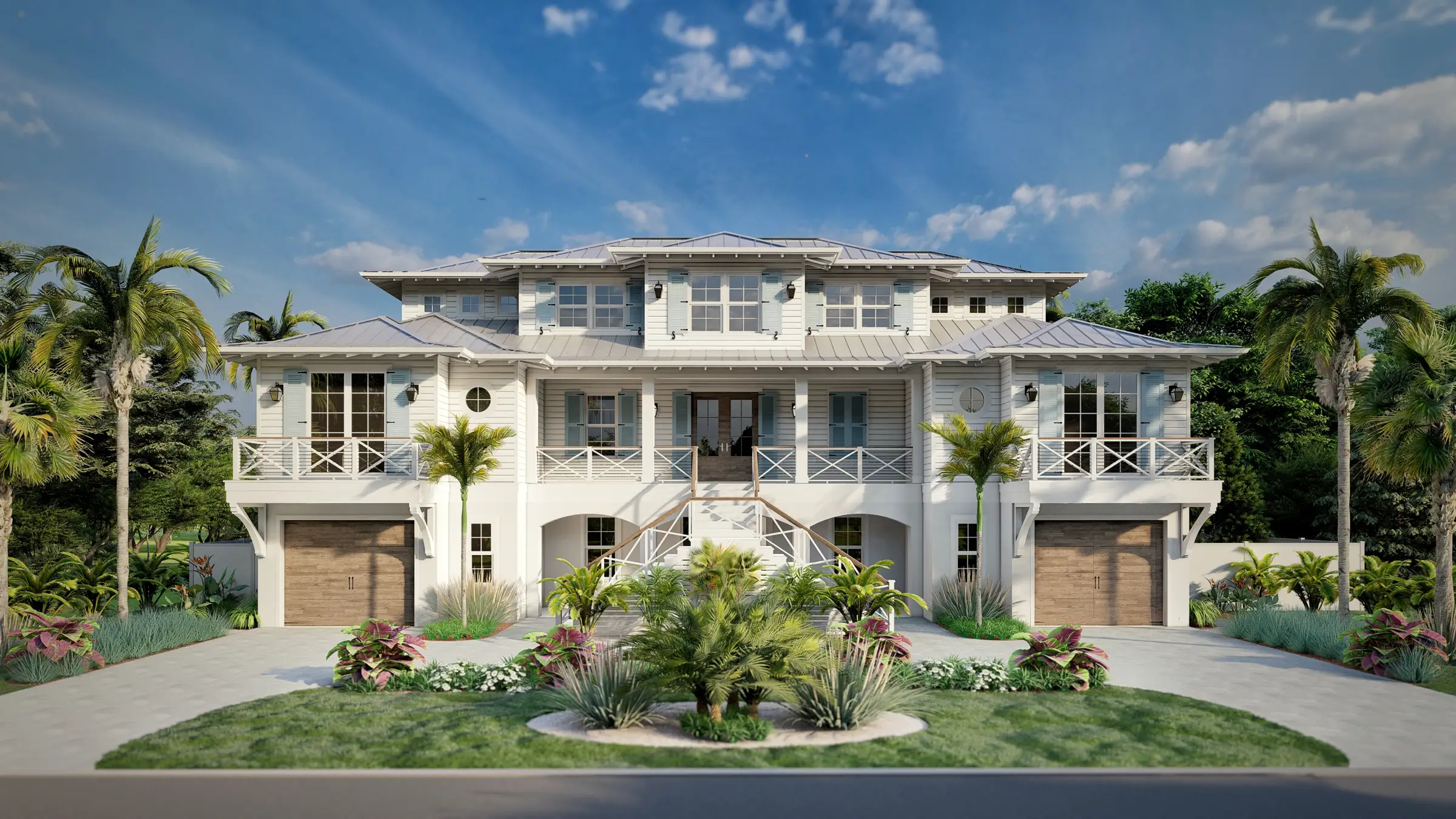
Coastal Contemporary
Clean-lined and sunlit, Coastal Contemporary homes blend modern architecture with coastal relaxation. The forms are often low and horizontal, with large windows and open plans that prioritize flow and natural light. Materials are restrained — smooth stucco, pale wood, slim-profile metal — and the detailing is minimal. These homes feel crisp and relaxed at the same time, designed to maximize views in a beachside setting.
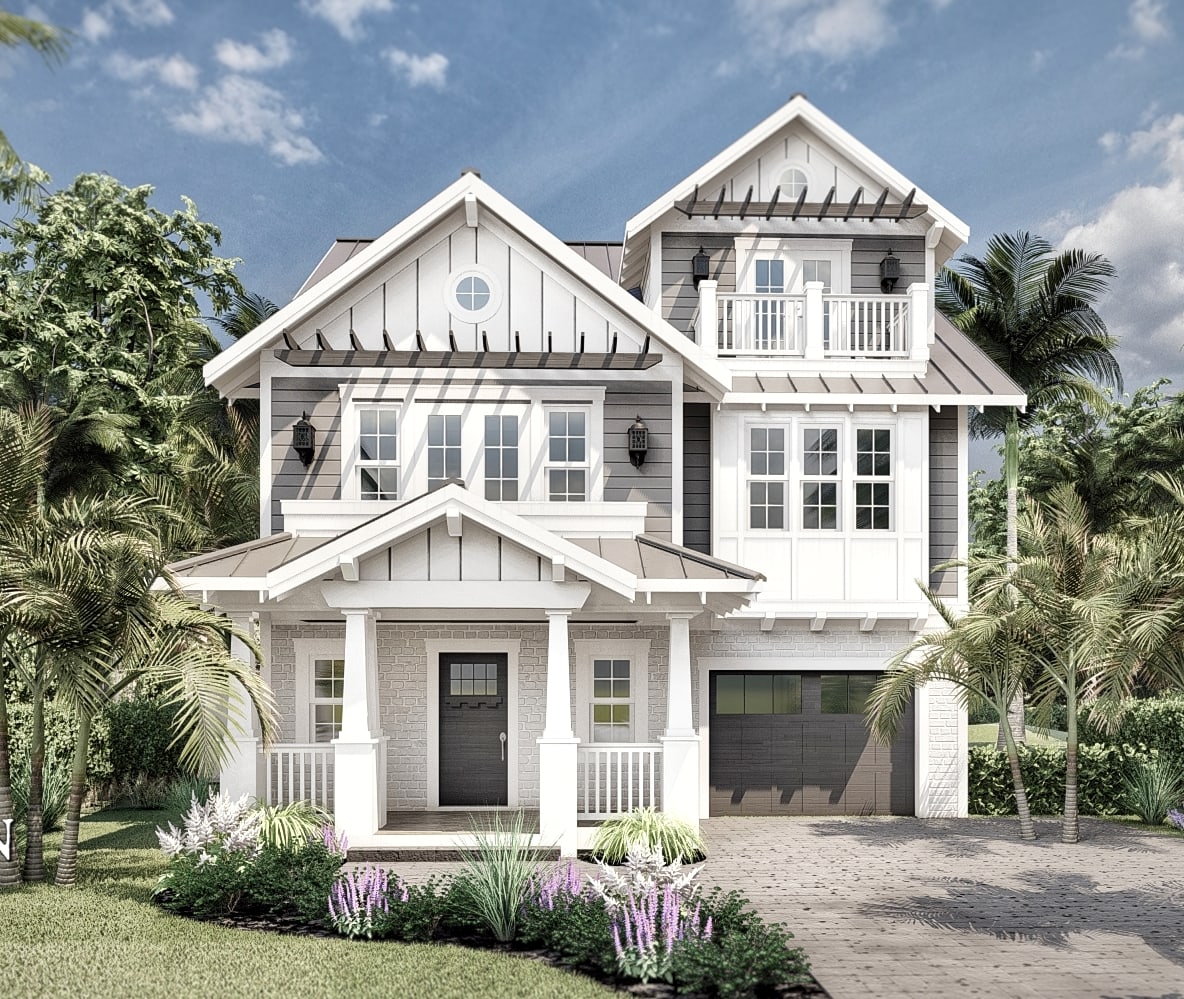
Coastal Bungalow
Rooted in early 20th-century seaside retreats, the Coastal Bungalow is compact and charming. Rooflines are pitched and overhanging, porches are deep and welcoming, and materials like shiplap siding and wood shingles give texture and warmth. Interiors are typically cozy and connected, with exposed rafters, built-ins, and a strong connection to outdoor living. This style suits smaller lots or those drawn to modest scale with character.
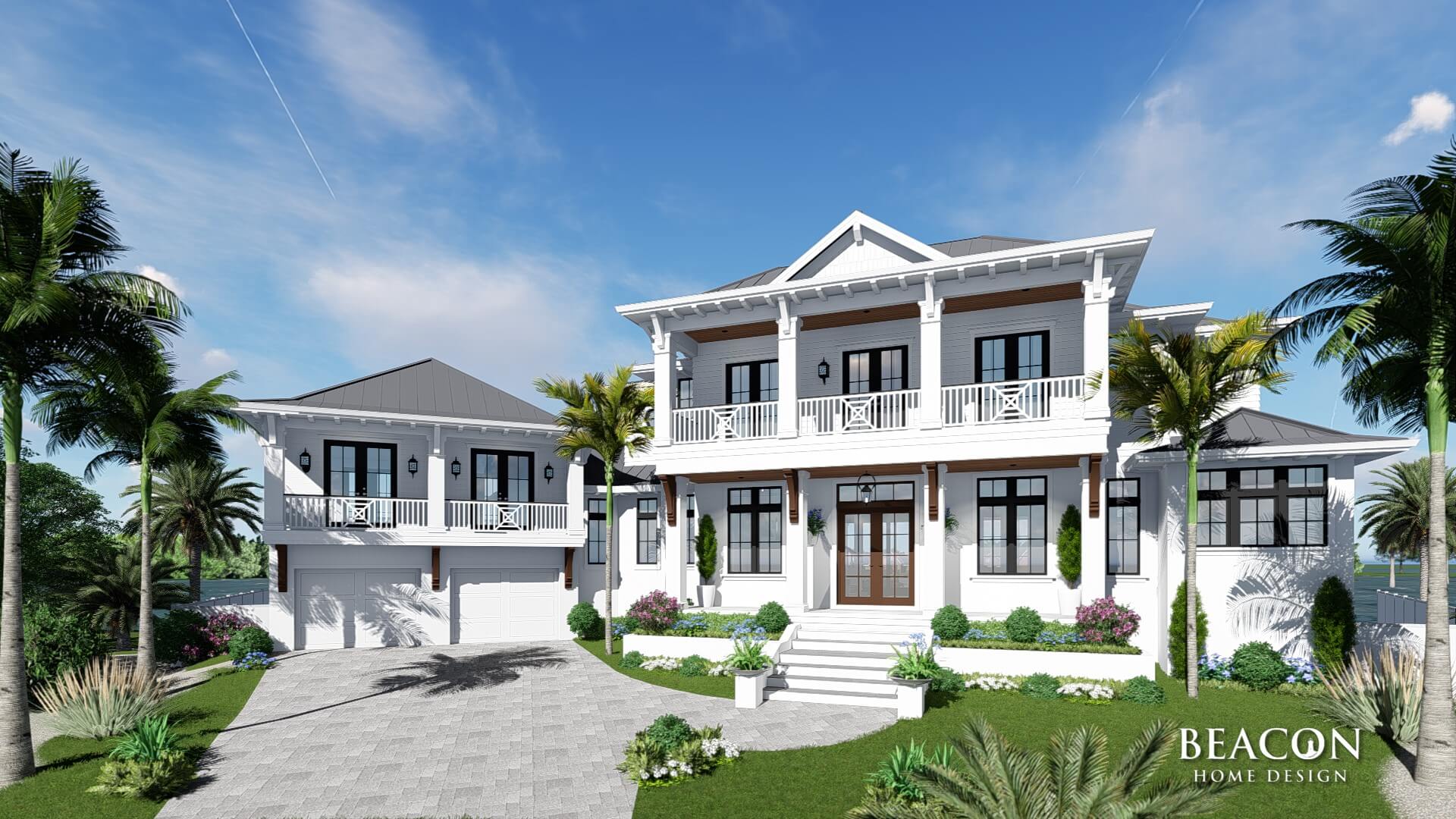
Traditional Coastal Blend
This style draws from classic American coastal homes. Shingled exteriors, symmetrical façades, dormered rooflines, and crisp white trim. It blends New England refinement with Southern porch culture, often updated with Florida-friendly materials and layouts. The overall feel is timeless and familiar, with just enough flexibility to adapt to individual preferences.
Coastal Cottage
Laid-back and light-filled, the Coastal Cottage is more informal. These homes often feature board-and-batten siding, metal roofs, breezy porches, and a playful mix of windows and roof angles. Inside, rooms are casual and inviting, with painted woodwork, open shelving, and a palette of whites, seafoam, and driftwood. It’s a style that embraces charm, simplicity, and the rhythm of coastal life.
Designing Your Coastal Indies Home with Beacon
We approach Coastal Indies design with creativity. While we understand the history of this style and why it continues to resonate with homeowners along the coast, we also know that no two homes, or homeowners, are the same.
That’s why our process begins with questions: How do you want to live? What spaces matter most to you? What kind of light, breeze, or view defines your ideal day at home?
From there, we shape a design that’s grounded in the Coastal Indies tradition and at the same time tailored to your lifestyle. If you’re considering building a Coastal Indies home, or exploring other architectural styles, we’re here to help. Reach out to our team to start designing a home that feels timeless, coastal, and entirely your own.
Frequently Asked Questions
How is Coastal Indies different from traditional West Indies design?
Coastal Indies is a modern evolution of West Indies architecture. While it keeps the foundational elements like deep overhangs, verandas, and shuttered openings, it introduces a lighter, more relaxed aesthetic. Rooflines may be lower and more horizontal, and materials and details often draw from coastal or contemporary palettes.
Does Coastal Indies style work in Florida’s climate?
Yes — beautifully. The style was originally developed to perform in heat, humidity, and storm-prone environments. Its emphasis on cross-ventilation, shade, and elevation makes it well-suited to Florida’s coastal conditions.
Can a Coastal Indies home be customized to suit a narrow or urban lot?
Absolutely. The style is flexible by nature. With thoughtful planning, we can adapt the proportions, rooflines, and layout to work on everything from wide waterfront parcels to tighter infill lots, without losing the architectural character that defines the Coastal Indies look.
Is this style too traditional for modern tastes?
Not at all. Coastal Indies design balances tradition with clarity. Its clean forms, breathable layouts, and use of natural materials make it highly compatible with modern coastal architecture. Many clients choose to blend this style with minimalist finishes or coastal-modern touches for a fresh feel.
What maintenance considerations come with this style?
Like any coastal home, exposure to salt, moisture, and sun is a factor. But Coastal Indies design makes it easy to plan for durability. We guide clients through material choices — like composite shutters, coated metals, and engineered wood — that deliver the right look with reduced maintenance.