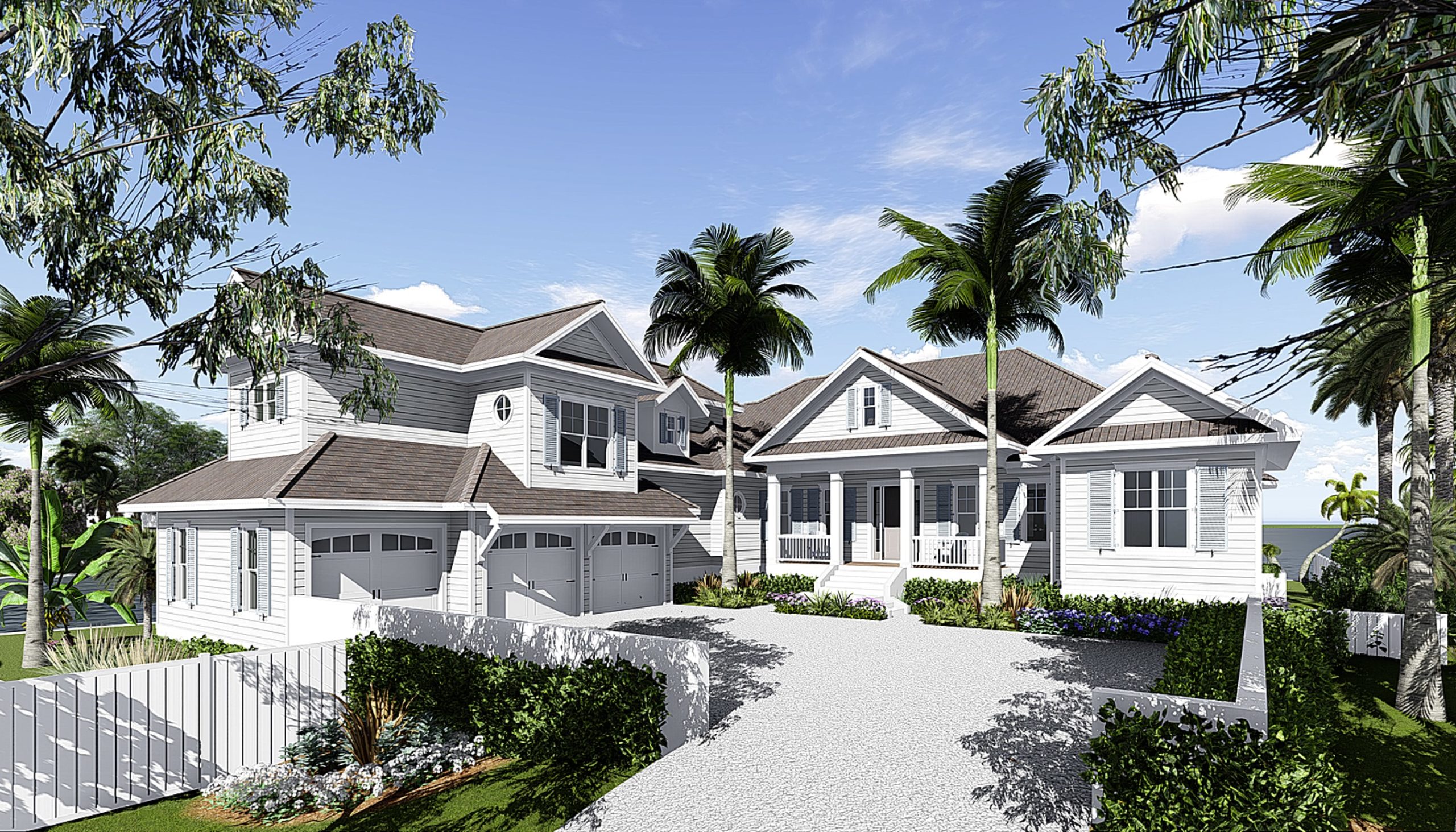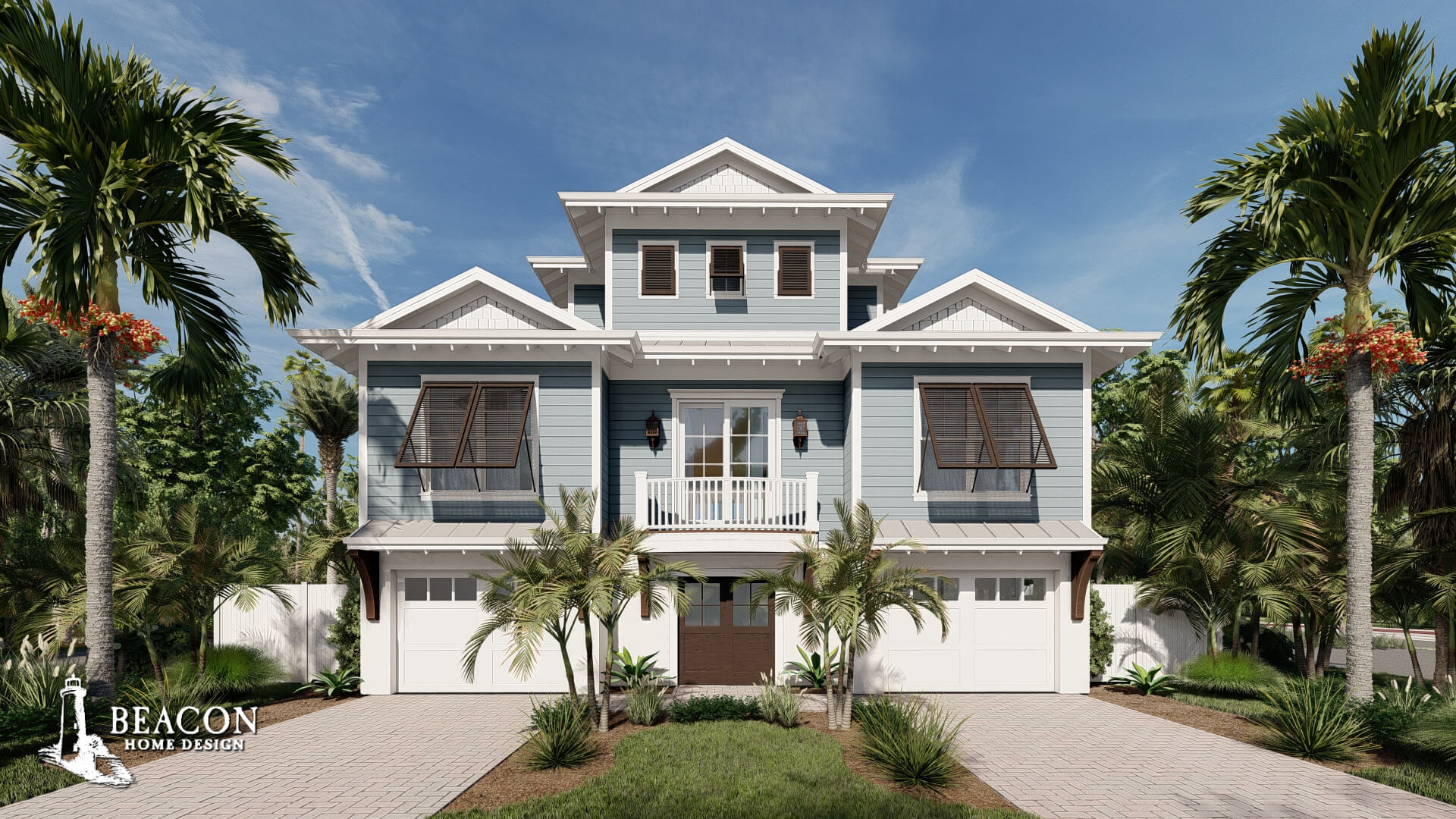
A Style That Embraces Charm, Light, and Simplicity
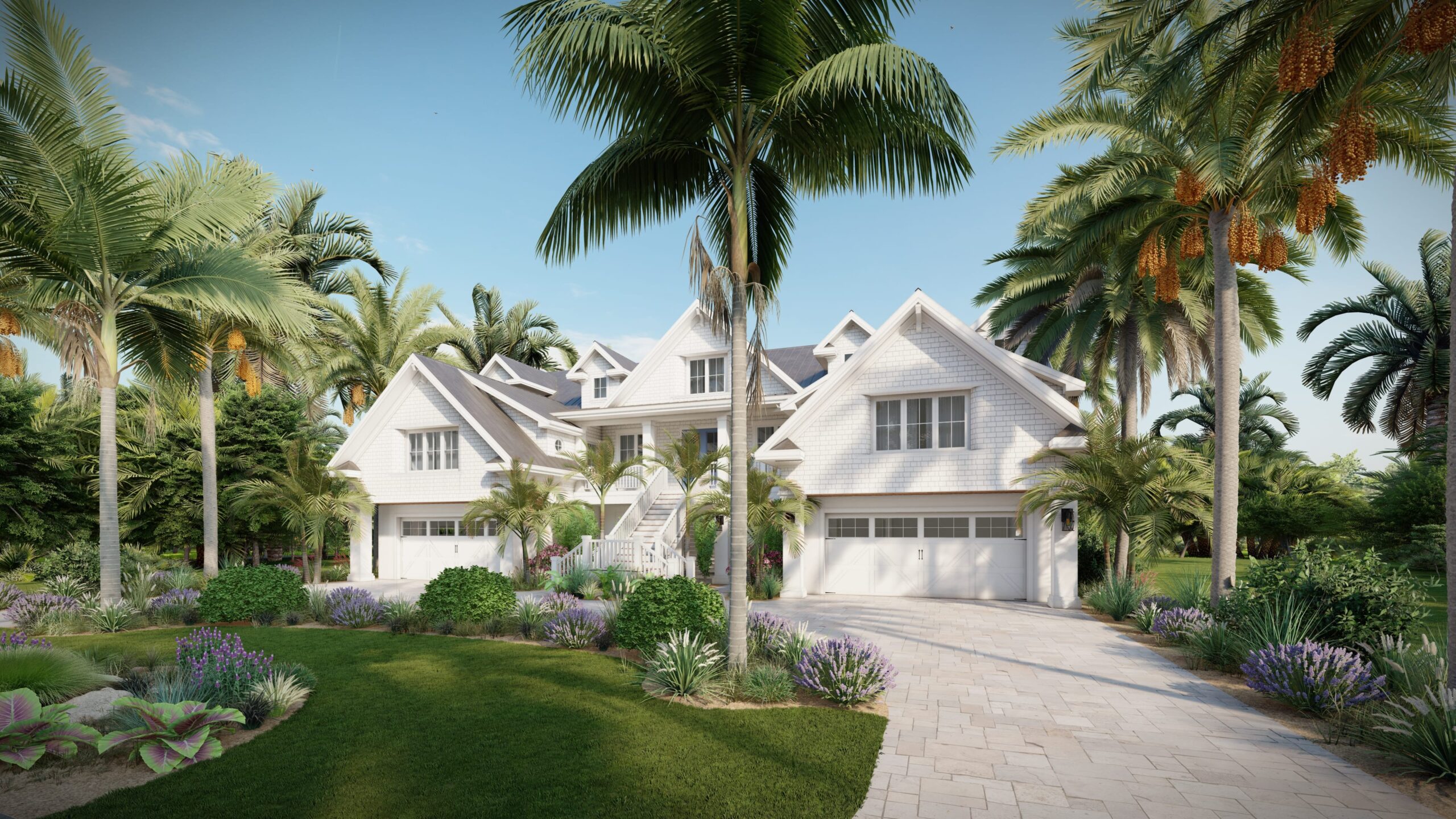
Coastal Cottage home design is rooted in the easygoing spirit of seaside living. Inspired by classic beach cottages and early coastal retreats, it blends relaxed architecture with thoughtful details that feel warm, inviting, and lived-in.
The coastal cottage style is shaped by climate, light, and opportunities for indoor–outdoor connection. Breezy porches, simple forms, and natural materials contribute to homes that feel approachable yet timeless.
At Beacon, we design coastal cottage homes that balance charm with durability — homes that feel effortless, personal, and perfectly suited to life along the coast.
What Is Coastal Cottage Home Design?
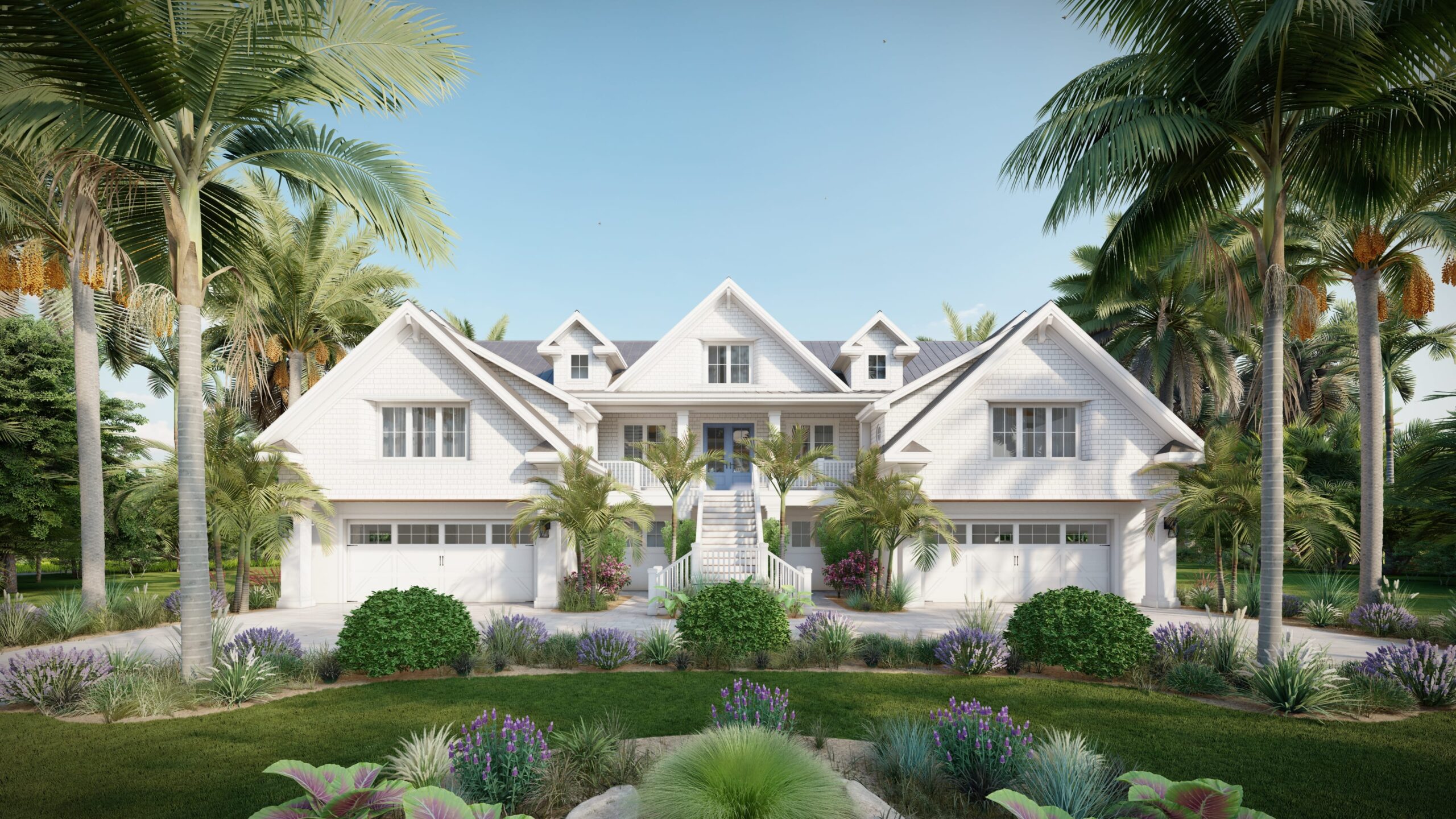
Inspired by traditional seaside living, this style centers on comfort, simplicity, and a strong connection to the outdoors. Homes are typically modest in scale, with informal layouts that prioritize livability over strict formality.
In Florida, the approach has evolved to incorporate more open floor plans and durable, modern materials while maintaining its signature charm. Rooflines are more expressive, porches feel generous and welcoming, and interiors are shaped by natural light.
What defines the style is its informality. It’s less about symmetry and structure, and more about character, texture, and a sense of ease.
Materials & Finishes
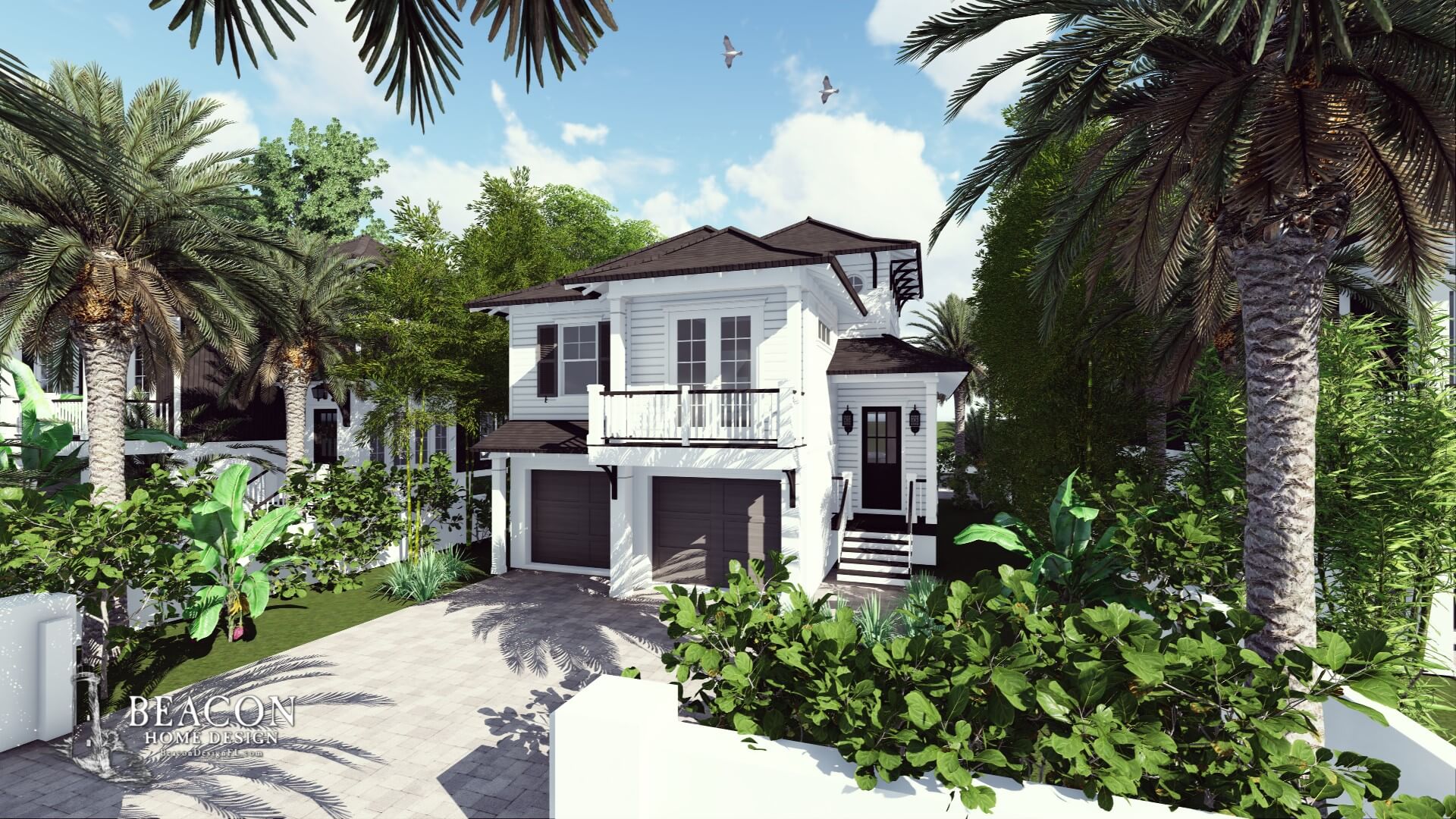
Texture and softness take priority over contrast, creating a layered and approachable aesthetic. Each material is selected not only for its appearance, but for how it weathers over time and contributes to a relaxed coastal environment.
Typical materials and finishes include:
- Board-and-batten or shiplap siding, often painted in soft whites or muted coastal tones
- Wood or composite roofing, as well as metal roofs that add a subtle coastal character
- Painted wood trim, brackets, and railings that emphasize craftsmanship and detail
- Natural wood accents such as exposed beams, porch ceilings, or entry doors
- Wide-plank wood or wood-look flooring with a matte, lived-in finish
- Painted millwork and paneling that add depth without heaviness
- Light, textured finishes that soften edges and reflect natural light
Architectural Characteristics of Coastal Indies Homes
Approachability and human-scale design shape the overall architectural language of coastal cottage homes. Rather than feeling rigid or overly composed, the structure often develops through layered forms, varied rooflines, and a natural, collected appearance.
Key architectural characteristics include:
- Varied rooflines, including gables and dormers that create visual interest and charm
- Deep, inviting front porches that serve as transitional living spaces
- Asymmetrical façades that feel natural and unforced
- Double-hung or divided-light windows that reinforce a traditional cottage feel
- Shutters and trim details that add rhythm and texture
- Smaller massing and human-scale proportions that feel intimate and welcoming
Color Palette & Interior Feel
A sense of lightness and ease underlies the interior, supported by a palette that feels both natural and inviting. Rather than bold contrast, the focus is on layered tones and materials that create warmth and personality.
Key color and interior elements include:
- Crisp whites and warm off-whites that create a bright, airy foundation
- Soft coastal hues such as seafoam green, pale blue, sandy beige, and driftwood gray
- Painted woodwork and cabinetry that add character and visual softness
- Natural wood tones used sparingly to introduce warmth and contrast
- Layered textures such as linen, cotton, and woven materials
- Casual, comfortable furnishings that prioritize livability
- Open, light-filled spaces that feel connected rather than formal
Indoor–Outdoor Living in Coastal Cottage Design
Designed to feel open and connected, even at a modest scale, coastal cottage homes prioritize a seamless relationship between interior and exterior spaces.
Core indoor and outdoor features include:
- Front porches that encourage gathering and everyday use
- Screened-in porches or lanais that provide comfort in Florida’s climate
- French doors or sliding doors that connect interior spaces to outdoor areas
- Simple transitions between inside and out, often through consistent materials
- Outdoor dining and seating areas designed for casual use
- Landscaping that feels natural and integrated, with native plants and informal layouts
- Smaller outdoor spaces that feel intentional and inviting rather than expansive
Climate-Responsive Design Built for Florida
Coastal cottage homes may feel nostalgic, but they are built for modern performance. The style adapts easily to Florida’s climate, combining traditional forms with durable materials and smart design strategies.
Key climate-ready features include:
- Sloped rooflines that shed rain efficiently and provide natural ventilation
- Deep porches and overhangs that create shade and protect openings
- Impact-rated windows and doors designed for storm resilience
- Durable siding and trim materials that resist moisture and sun exposure
- Elevated construction where needed for flood-prone areas
- Passive cooling strategies, including cross-ventilation and shaded openings
- Materials selected for longevity in humid, coastal environments
Why Homeowners Choose Coastal Cottage Style
Coastal cottage style homes appeal to homeowners whose priority is comfort, simplicity, and living in harmony with their surroundings. Designs often feel familiar, homey, and easy to live in. While elements of this ease can be found in other coastal or contemporary styles, the defining feature of the coastal cottage is in the name: cottage.
Through features like enclosed rooms, warm tones, and inviting porches, coastal cottage homes foster a cozy, nostalgic intimacy. Although often associated with smaller footprints, designs can be thoughtfully adapted to larger homes that suit the homeowner without losing the character.
We’ve found that most homeowners choose this style for the simplicity of a quiet, coastal lifestyle.
Other Types of Coastal Styles
While this style is known for its charm and informality, other architectural styles offer distinct interpretations of how a home can relate to its setting along the water. Each brings a different balance of structure, materiality, and spatial experience.
Coastal Indies
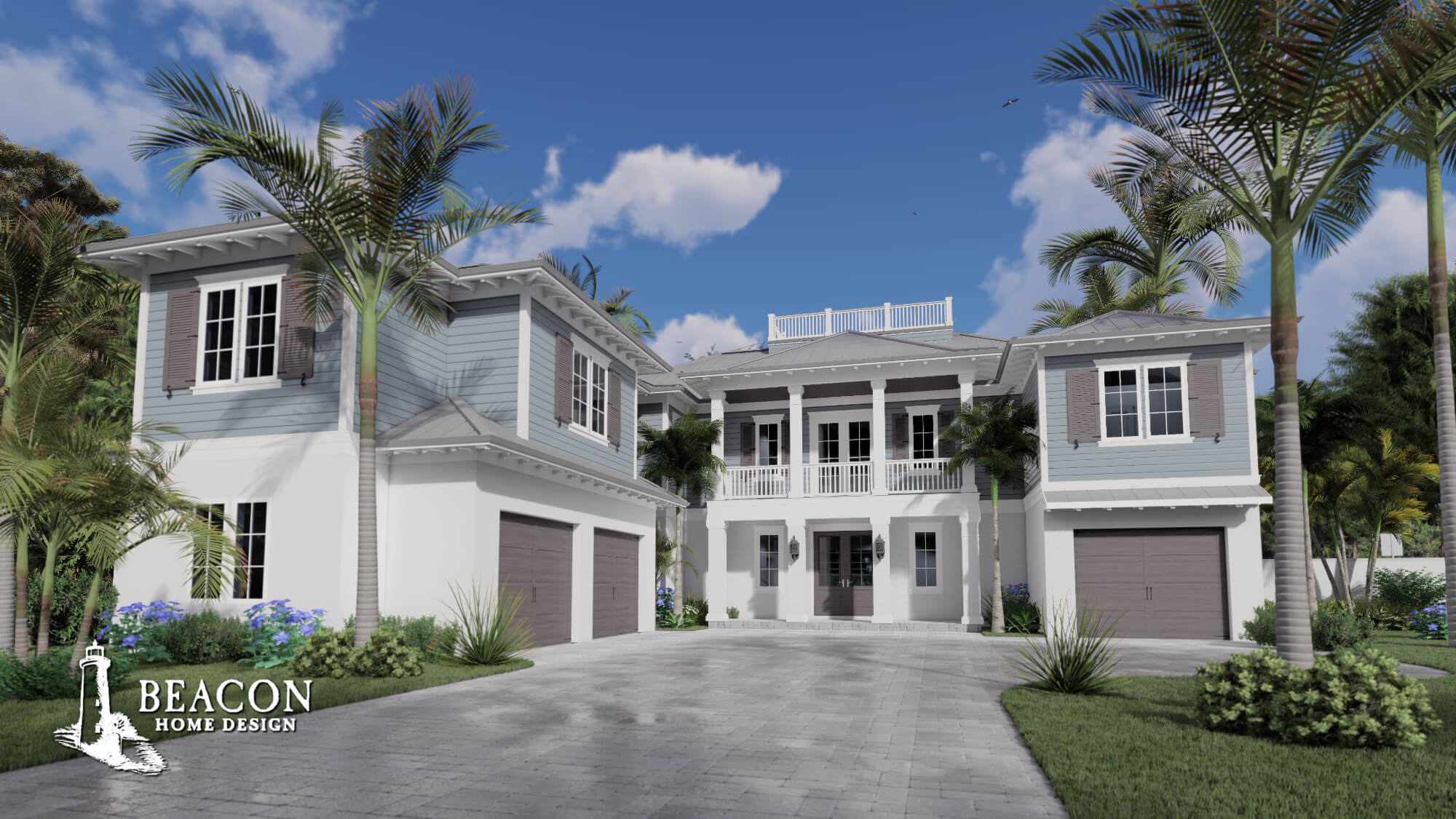
Influenced by Caribbean architecture, this style brings together symmetry, proportion, and climate-driven design. Rooflines are typically hipped with deep overhangs, while façades center around balanced openings and defined entries. Expansive verandas, operable shutters, and tall windows promote airflow and shade, supported by durable materials like stucco, painted wood, and metal roofing. The result is composed and refined, with a seamless relationship between indoor and outdoor living.
Coastal Contemporary
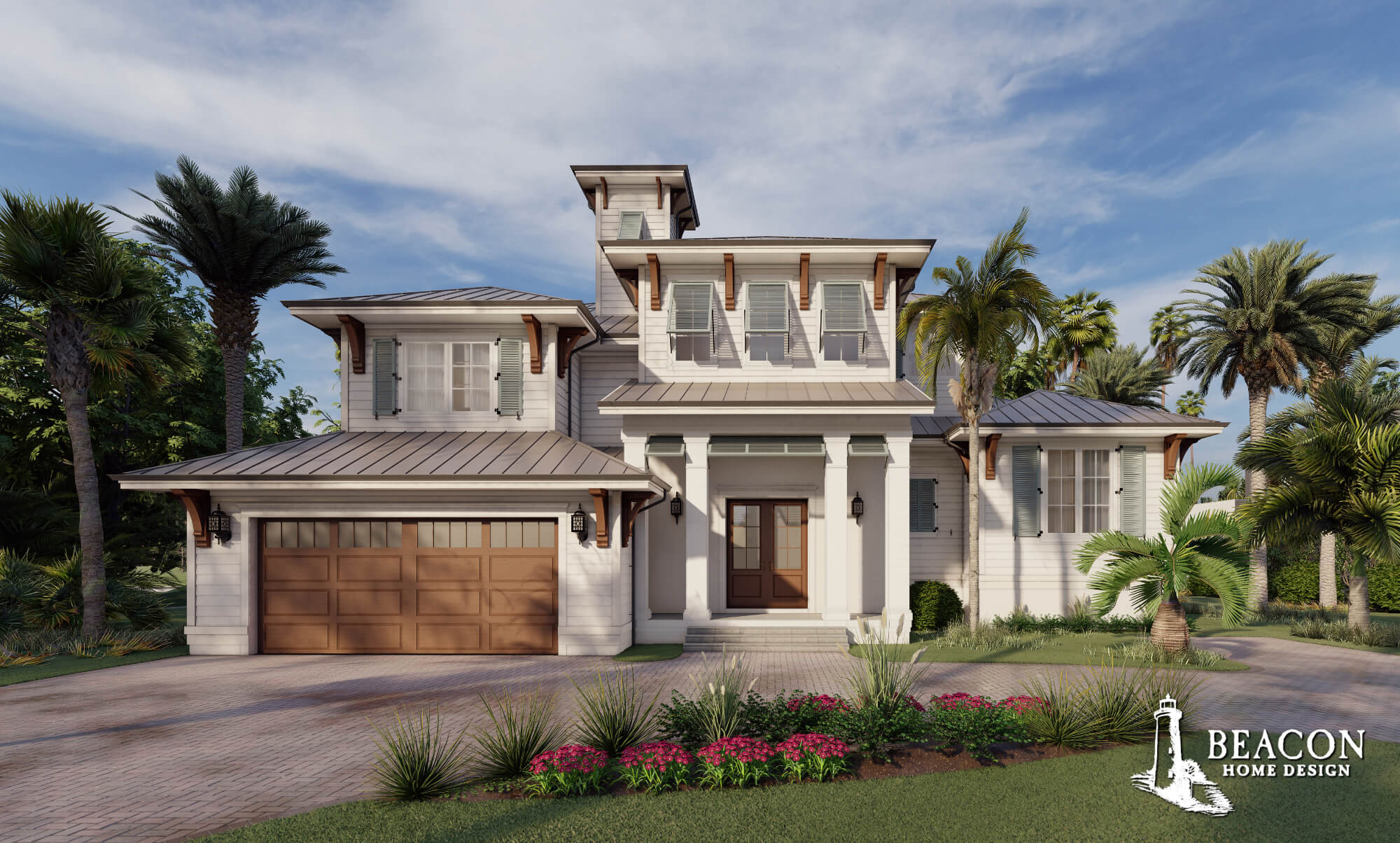
Clean geometry and a restrained palette shape this modern coastal approach. Homes are often organized along horizontal lines, using large expanses of glass to frame views and draw in natural light. Materials remain minimal—smooth stucco, light-toned wood, and slim metal elements—allowing form and proportion to lead. Interiors feel open and fluid, creating a calm, uncluttered environment that stays connected to its surroundings.
Modern Home Design
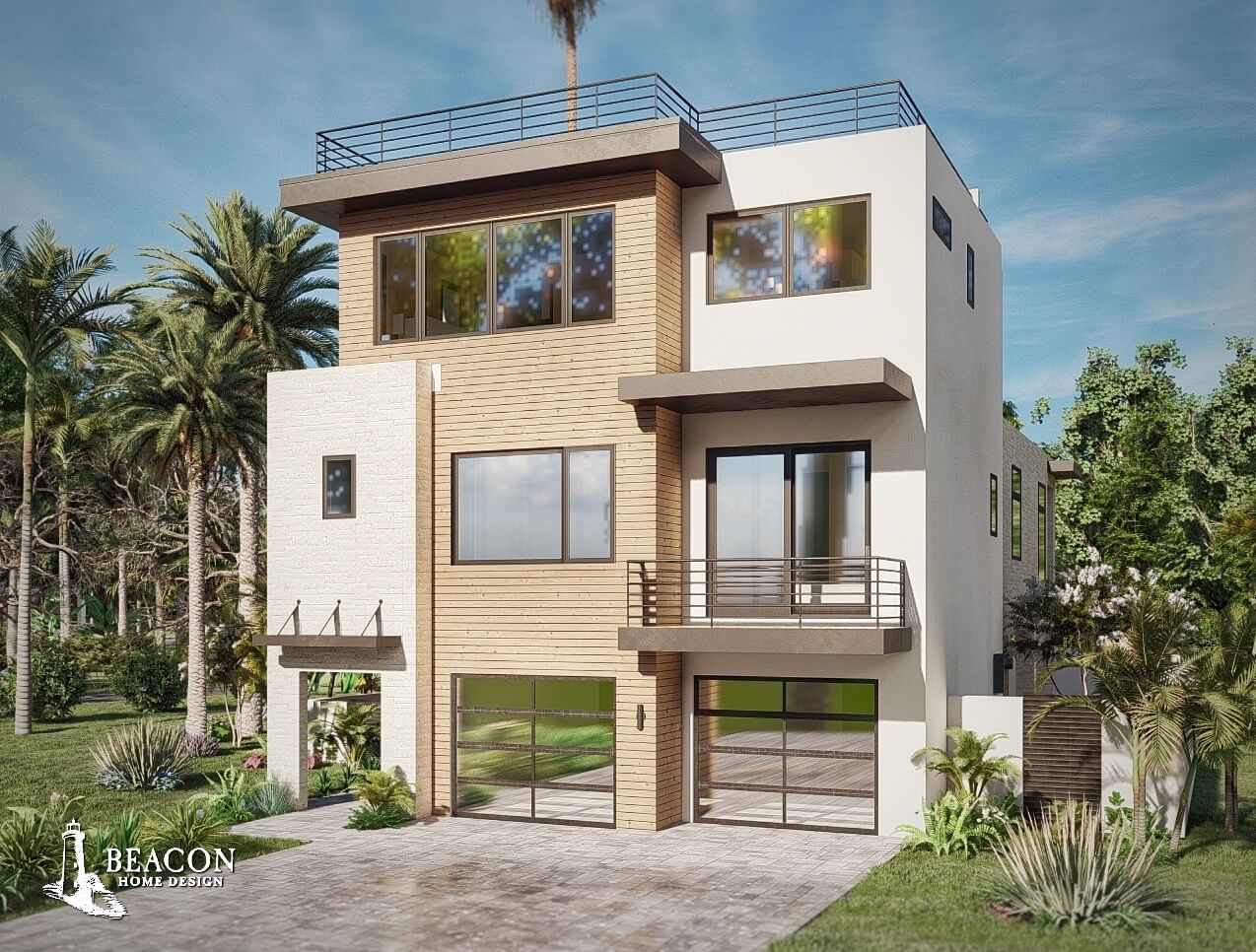
A focus on form, proportion, and material clarity defines the modern architectural approach. Geometric volumes and low-sloped or flat roofs establish a strong visual structure, while expansive glazing introduces light and reinforces continuity between interior and exterior spaces. Finishes are intentionally limited—often a mix of stucco, steel, glass, and wood—paired with interiors that emphasize openness, functionality, and precise detailing.
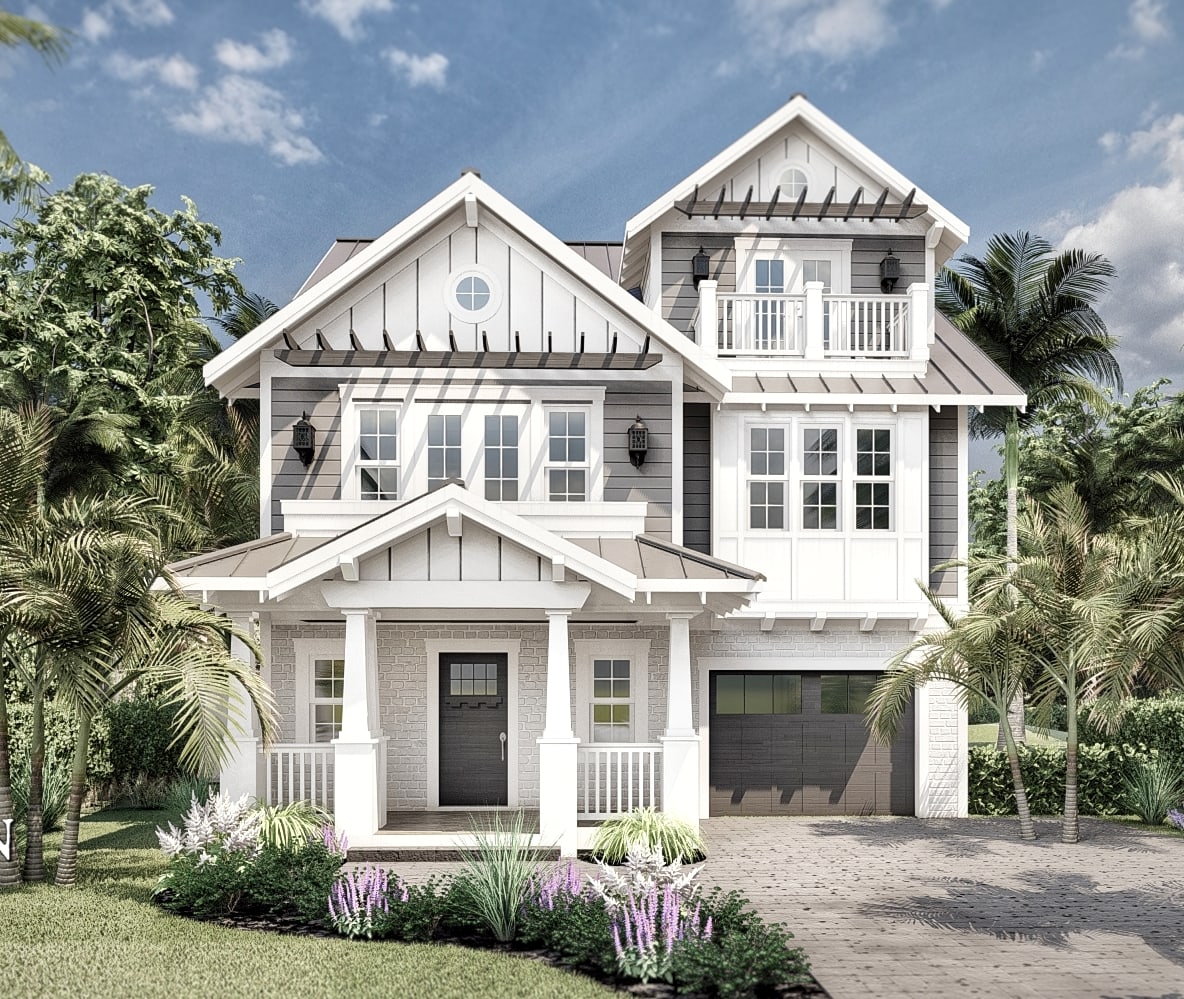
Coastal Bungalow
This style leans into approachability, with compact forms and details that highlight craftsmanship and character. Low, grounded structures feature wide overhangs, exposed rafters, and deep porches that create a sense of shelter and ease. Interiors are efficient and thoughtfully arranged, often incorporating built-ins to maximize usability without sacrificing charm. Outdoor spaces remain closely tied to the home, reinforcing a relaxed, everyday connection to coastal living.
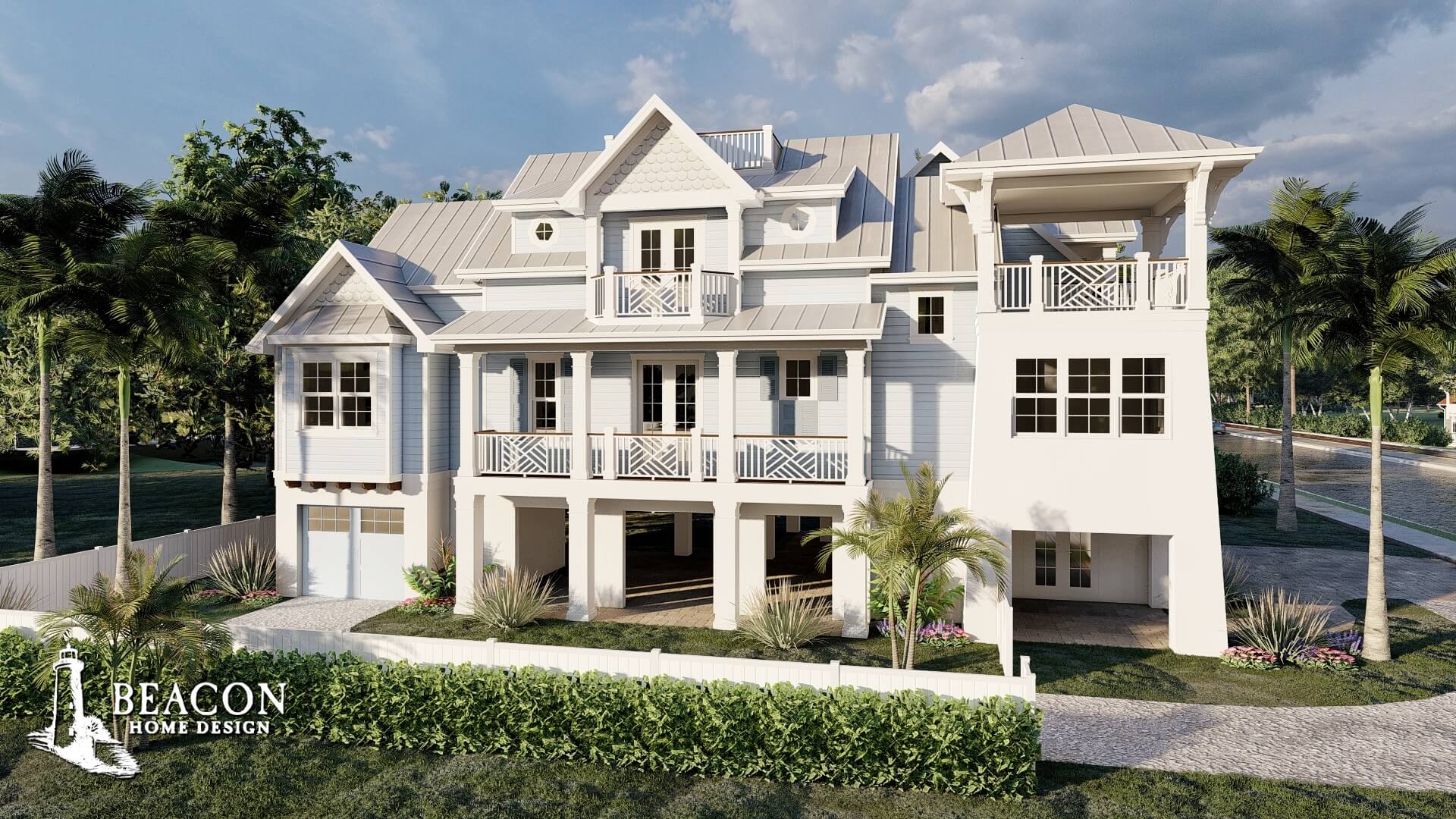
Traditional Coastal Blend
Drawing from American seaside architecture, this style reflects a more formal and historically influenced approach. Symmetrical façades, pitched rooflines, and dormers create a sense of order and familiarity. Exterior materials often include shingle siding, lap siding, and crisp white trim, paired with structured porch elements. Interiors tend to balance defined spaces with openness, offering a layout that feels both classic and adaptable to modern coastal living.
Designing Your Coastal Cottage Home with Beacon
While the coastal cottage style has recognizable roots, it’s also highly flexible. As with all our designs, we adapt coastal cottage homes to clearly reflect the personality and lifestyle of their owners.
Our process begins with how you want to live. Whether that means expansive porches, cozy interiors, or seamless indoor–outdoor flow, we shape each design around your priorities.
If you’re considering building a custom home in Florida, our team is here to guide you. Together, we’ll create a home that feels timeless, inviting, and uniquely yours.
Frequently Asked Questions
Can this style be adapted for larger or more complex homes?
Yes. While traditionally associated with smaller homes, the principles translate well to larger residences when scale and proportion are handled carefully. Instead of expanding a single mass, the design is typically broken into smaller, interconnected volumes, often with varied rooflines and porch elements. This approach maintains the intimate, approachable character of the style while allowing for more square footage and programmatic complexity.
How is Coastal cottage different from other coastal styles?
This approach is defined by its informality and emphasis on character over symmetry. Compared to more structured styles like Coastal Indies or Traditional Coastal, it relies on varied rooflines, layered materials, and asymmetrical compositions to create a relaxed, lived-in feel.
Details such as exposed rafters, painted millwork, and textured siding contribute to a sense of craftsmanship, while interiors prioritize comfort and personality rather than strict architectural order.
Does this style work well in Florida’s climate?
It does, particularly when traditional design elements are paired with modern performance strategies. Deep porches and overhangs provide shade and reduce solar exposure, while window placement can support natural ventilation. Materials are selected for durability in humid, coastal environments, including fiber cement siding, composite trim, and impact-rated windows and doors.
Is this style too casual for a high-end custom home?
Not when thoughtfully executed. Higher-end interpretations often incorporate custom millwork, carefully proportioned openings, premium wood accents, and curated interior finishes. This balance allows the home to feel relaxed and approachable while still achieving a level of quality and design consistency expected in a luxury residence.
What maintenance considerations should be expected in a coastal environment?
Exposure to moisture, salt air, and sun is to be expected. Thankfully, there are material and architectural options that minimize damage or discomfort in Florida’s climate. While traditional materials like wood siding and trim can be used, many homeowners opt for engineered alternatives that replicate the look but perform better. Proper sealing, ventilation, and drainage are also critical to maintaining performance over time. With the right approach, the home can preserve its intended aesthetic while minimizing long-term maintenance demands.